The problem of childhood sexual abuse is not new. Millions of adults bear the emotional scars, and continue to secretly carry the emotional burden, of abuse that occurred twenty, thirty, or even forty years ago. It is common for clients in their 40’s to come to counseling and say “I have never told this to anyone before…”.
 Children are, by nature, innocent, trusting, and vulnerable. When a child is abused, the abuse is NEVER the child’s fault, but children — in an attempt to use their limited understanding of the world to make sense of what has happened to them — almost always believe that they either caused or deserved the abuse. Many of them carry their misguided sense of shame and guilt into adulthood. Many successful, seemingly well-adjusted adults continue to suffer the far-reaching effects of abuse: low self-esteem or lack of confidence, difficulty trusting others, isolation, or alienation, depression, anxiety, anger, chronic relationship problems, difficulty with emotional or physical intimacy, promiscuity, self-injury, alcohol or drug use, or overeating.
A history of childhood sexual abuse does not automatically mean a life full of suffering, however. The extent to which abuse affects an individual varies significantly, depending on the severity of the abuse, the duration of the abuse, and the relational context of the abuse (who the abuser was). Many people who were abused as children struggle with spiritual isses as well as the psychological and emotional ones. They may question how a loving God could allow something like that to happen to a child, may be angry with God for allowing it to happen, or may even believe that God intentionally inflicted the abuse on them as punishment. Part of the healing journey may include looking at these spiritual questions and finding a deeper spiritual understanding of yourself, God, and the world.
Regardless of how childhood abuse has affected your life, you can experience both healing from your past and growth for your future. If you have been silently suffering the pain or shame of past abuse, a confidential relationship with a caring professional counselor can help you find freedom and relief. If painful memories from the past are robbing you of a life of happiness and meaningful relationships, counseling can help you face the past, find healing in the present, and claim abundant life for your future.
Sexual abuse can effect a marriage is so many ways: emotionally, spiritually and sexually. Sexual abuse is traumatic not only for the survivor but also for the survivor’s spouse if he/she doesn’t understand the impact of sexual abuse. I believe sex is a huge part in healing also. Having a healthy sex life after being sexually abused can happen. Separating the abuser from someone who loves you is a part of healing. Un-training yourself from what your abuser taught you is what it takes to make this happen. Your body is just that “your body” and you have the say in what does or doesn’t happen.
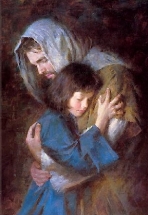 My sexual abuse is only part of me, not my whole life anymore. Victims and survivors have to change the way society deals with and handles sexual abuse. The truth shall set you free, the truth of sexual abuse. Once the truth comes out it sets you free of the bondage you have been in for so many years. Stare your sexual abuse straight in the eyes and let it know “you don’t scare me anymore”. It is such an awesome feeling!!
A question to ask oneself is, “Do you see yourself as God sees you?” God sees you as a child He made for a specific purpose and not one of those purpose’s was for any one of His children to be abused in any way, shape, or form. Reach out to Him and let him replace your pain with joy, your shame with sharing, your anger with forgiveness, your ugliness with beauty and your silence with your voice.
Source- New Reflections Counseling: http://www.newreflectionscounseling.com/
——————————————————————————–
59.656900
-151.488000










 Broken Believers