


The subject of “the pool at Bethesda” alludes to the Thorton Wilder play, “The Angel that Troubled the Waters.”
The play is based on the biblical verses of John 5:1-4, however, it changes the end of the parable.
The play tells of a physician who comes to the pool of Bethesda, hoping to see the stir, and then be the first in the water, and healed of his melancholy and debilitating depression. An angel appears and troubles the water. Everybody at the pool hopes to be the first one in and to be healed of their disability.
…………………………………………………………………
An angel appears and blocks the physician at the very moment he is ready to step into the pool and be healed.
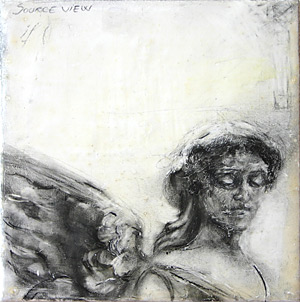
Angel: “Drawback, physician, this moment is not for you.”
Physician: “Angelic visitor, I pray thee, listen to my prayer.
Angel: “This healing dear physician, is not for you.”
Physician: “Surely, surely, the angels are wise. Surely, O Prince, you are not deceived by my apparent wholeness. Your eyes can see the nets in which my wings are caught; the sin into which all my endeavors sink half-performed, cannot be concealed from you.”
Angel: “I know.”
Physician: “Oh, in such an hour was I born, and doubly fearful to me is the flaw in my heart. Must I drag my shame, Prince and Singer, all my days more bowed than my neighbor?”
Angel: “Without your wound where would your power be?”
“It is your very sadness that makes your low voice tremble into the hearts of men. The very angels themselves, cannot persuade the wretched, and blundering children on earth, as can one human being broken on the wheels of living.
“In Love’s service, only the wounded soldiers can serve. Drawback.”
Later, the person who enters the pool first, and was healed rejoices in his good fortune, then turns to the physician before leaving and says:
“But come with me first, an hour only, to my home. My son is lost in dark thoughts. I — I do not understand him, and only you have ever lifted his mood.”
“Only an hour… my daughter, since her child has died, sits in the shadow. She will not listen to us, but she will listen to you.”
…………………………………………………………………
For me, the play pierces me with the understanding that comes from this wonderful line— “Without your wound where would your power be?“ That causes me to look at my many weaknesses with a very different perspective.
Paul’s teachings offer us a powerful revelation: it is through our weaknesses that we can authentically minister to others, just as Jesus did going to the cross. This concept, slowly permeating my understanding, emphasizes the transformative nature of my own pain and vulnerability.
Paul boldly declares that it is the very things we perceive as weak that have the potential to cultivate strength and truth within us and to others. It is my sincere hope that brokenbelievers.com, through its ministry, will impact lives by embracing this profound truth.
I hope so anyway. Pray for Linda. Pray for me.
I first encountered this excerpt in the book, “Abba’s Child: The Cry of the Heart for Intimate Belonging,” by Brennan Manning. The book is a worthy read, and if you can find it, you’ll be blessed.
Please check out Brennan Manning’s Facebook page for more info.
Please check out my newest, alaskabibleteacher.com.




 Broken Believers