The God-Players, [Death Wish]

1
The Problem Is Myself,

  by Earl Jabay


About twenty-five years ago, in a small Midwestern city, a group of young boys were playing baseball. It was a team tryout. Every boy was doing his best to impress the coach. Robbie was a catcher. Younger than the two other boys who were trying out for that position, he was, however, a real beaver. Nothing was more important to him than getting on the team. There was no question about his talent. He was good. Any spectator could see that he was better than the other two catchers.

Late in the afternoon, the coach called Robbie over to him. Robbie studied the coach’s eyes for some hint of acceptance. It was not there, but then, maybe the coach was hiding his feelings. The coach began talking about how much ability Robbie had and that he really gave a lot to the game. And then it came. “Robbie, I hate to have to tell you this, but I can’t use you.” It was like being hit on the head with a baseball bat. “But . . . why?” Robbie fought to hold back his tears.

“Robbie—two things. You’re not a team member. You never joined us. You play your game when you are out there. You are a good catcher—but a loner as a team member. “The second thing is that you have a problem with me. You play my part, coaching the players and taking over. We can’t have a ball club on that basis.” “But Coach!—I was only trying my best!” Coach reflected. “There’s more to it than that, Robbie.” You were a good ballplayer, but your enlarged ego moved you right out of the ball club. “Forget it!” cried Robbie, as he stormed off the ball field. “I wouldn’t be caught dead on your crummy team!” Even as you stormed off the field, you felt like a king. You told them you were too good for them.

When I met Robbie, he was a man in his late thirties who had recently been admitted to a mental hospital. Rob was severely suicidal. “I’ve been struggling against taking my life ever since I was a young boy. Death has somehow always had a fascination for me.” He was seated comfortably in my study, and I just let him talk. “I remember that old Ford I had just before I graduated from high school. One night I took it out to the edge of town and ran a piece of tubing from the exhaust, through the window, and into the car. Then I started up the engine. Somehow, it gave me wild excitement to see how close I could come to taking my life. I chickened out, as you can see.” He laughed hollowly. “Another time, I tried to see how close I could come to the concrete abutment of an overpass. The car was doing about fifty-five when I hit it. Two days later, I woke up in a hospital with a broken back which still gives me trouble.” I thought of all the highway deaths and wondered how many of them were, in reality, suicides. “This thing with death really frightens me.” He paused and shook his head. “Well, it does and it doesn’t. Right now, I really don’t want to kill myself. But when I get excited or things go wrong, the first thing I do is think about some weird plan to kill myself. I have literally hundreds of ways all worked out in my mind. The idea has a hold on me.

Many times, it’s almost as if a dark, brooding presence comes over me and I have no power over it. I don’t believe in the devil, but it’s like an evil power—I find myself absolutely powerless to resist it. That’s what brought me here. This time, I slashed my wrists. One part of me tells me I wanted to do it—another says I didn’t.” Rob went on to tell me what he had tried to do about his problem. “I spent years trying to figure out what kind of a nut I was to have these weird ideas. I became such a nervous wreck that I went to a psychiatrist for some tranquilizers. Thought maybe that would help.” He sighed and leaned back in his chair. “The doctor gave me some pills and suggested psychotherapy. I had already read a lot about it, so I began treatment. At the time, I claimed that it was doing a lot of good and that I was finally getting some answers. I think I had to say that to justify paying him all that money! After two years, I ran out of money—and patience. I came to know a lot about my past, but that old problem of suicide was more of a threat than ever.

“Next thing I did was go to a minister. Don’t get me wrong. I’m not religious, but I heard that this minister was a counselor, so I went to him. True, he didn’t say much about God, but he sure had a lot to say about his church. His congregation was very busy and active with all kinds of study groups and community-action programs, all of which I was invited to join. When I finally got to tell him about my problems, all I recall him saying was that I should make a decision not to kill myself, and that I should use more willpower. Oh yes, he said I should also pray. I was hoping he would pray with me, because I felt I really needed prayer, but he never suggested it. I quit going to see him.”

I looked at Rob’s face. Fatigue was written all over it. And despair. I felt pity for this man who had tried so hard to figure out why he was losing his battle against death. I sensed that Rob had a little more to say. “The only conclusion I can come to is that my biggest problem is myself. I am my own worst enemy!—always have been. I’m a double person—maybe I’m schizoid, I don’t know. I do and then I don’t want to kill myself. I don’t understand myself. I don’t even like myself. Worst of all, I can’t even control myself! For God’s sake, Chaplain, tell me what’s wrong with me!” he cried, putting his face in his hands. “Does any of this make any sense at all?”

I knew it was time to level with Rob. “Okay,” I said, keeping my voice low, “I’ll give it to you straight: you are absolutely right when you say that you are your biggest problem. And the problem with you, Rob, is that you are a god-player. What I mean is this: you have tried to create your own little world with yourself placed squarely in the center of it. God has no place in your world because you have taken His place. Your whole life is a story of how you tried to set things up according to your will and plans. You wanted to be a king and build yourself a kingdom. The truth is that you are not a god, not even a king—you are a plain, ordinary human being who has never joined the human race.” Rob was listening now, not moving a muscle. I went on. “That early episode on the ball field, in a sense, tells it all. Even then you tried to take over. You tried to take that ball club—coach and all—and make them serve you in the Kingdom of Robbie. I paused, catching my breath, but Rob remained speechless.

“Now, about this problem of suicide,” I continued. “Suicide is the ultimate act of god-playing—even though you never consciously intended it to be that. Look, when anyone attempts suicide, what does he do? He insists of having the world his way, and if he cannot have it his way, he will kill himself. The king in us would rather die than accept the world as it is. He has such a deep love for his kingship and such a strong faith in himself to bring it about, that any failure or weakness in himself must be punished with death.” Rob nodded. He didn’t like what he was hearing, but he seemed to see it was the truth, and he wanted to hear more. “The Kingdom of Self, understand, is in our heads. We spend years building this fantasy kingdom unto our own glory. The king’s thinking becomes grandiose and his feelings ultimate. He believes all things can and must be done according to his will. And another thing; the king is never wrong. He is always right. Just ask him. He’ll tell you. So when the castle really starts to fall down around his ears and the king has lost all control of the world in his mind, he will fly out of control unto his own destruction. Then the forces of self-hate and self-pity move in and become so strong that the king is powerless to withstand them. He does, therefore, what he does not want to do—he attempts to kill himself because he can’t stand himself, defeated phony king that he is. It’s not that he particularly wants to die; it’s just that there doesn’t seem to be any alternative with his kingdom in such terrible shape.” I glanced at my watch and realized I had only a few minutes before my next appointment. “One more thing before you go: you are a god-playing king. So am I. Everyone is. You failed as a king. I, too. We are both failures—in fact, we even failed to fail successfully. But we are still alive, thank God, and there is much hope for both of us. If you want to, come back this afternoon, and we’ll talk some more.”


Earl Jabay was a Christian therapist in 1950’s.  He wrote a number of books, including “The Kingdom of Self” and “The God-Players.”

 

cropped-christiangraffiti1-3-1

A Woman’s Depression [Honesty]

Depression Fits the Hearts of Women

Women experience twice the rate of depression as men.

Women have twice the chances as men

Everyone experiences disappointment or sadness in life. When the “down” times last a long time or interfere with your ability to function, you may be suffering from a common medical illness called depression.

Major depression affects your mood, mind, body and behavior. Nearly 15 million Americans — one in 10 adults — experience depression each year, and about two-thirds don’t get the help they need.

Women experience twice the rate of depression as men, regardless of race or ethnic background. An estimated one in eight women will contend with a major depression in their lifetimes.

Researchers suspect that, rather than a single cause, many factors unique to women’s lives play a role in developing depression. These factors include: genetic and biological, reproductive, hormonal, abuse and oppression, interpersonal and certain psychological and personality characteristics.

Symptoms of depression include:

  • Little interest or pleasure in doing things
  • Feeling down, depressed or hopeless
  • Trouble falling or staying asleep or sleeping too much
  • Feeling tired or having little energy
  • Poor appetite or overeating
  • Feeling bad about yourself, that you are a failure or have let yourself or your family down
  • Trouble concentrating on things, such as reading the newspaper or watching television
  • Moving or speaking so slowly that other people could have noticed or the opposite in that you are so fidgety or restless that you have been moving around a lot more than usual
  • Thoughts that you would be better off dead or of hurting yourself in some way

Women may be more likely to report certain symptoms, such as…

  • anxiety
  • somatization (the physical expression of mental distress)
  • increases in weight and appetite
  • oversleeping
  • outwardly expressed anger and hostility
 
Stay close to your friend

Helping a Woman with Depression

People with depression aren’t the only ones who suffer. Their friends and loved ones may experience worry, fear, uncertainty, guilt, confusion or even be more likely to go through depression themselves.

The situation may be especially trying if your loved one doesn’t realize that she is depressed. You can help by recognizing the symptoms of depression and pointing out that she has changed.

Recognize even atypical signs of depression. Women may be more likely to report certain symptoms, such as anxiety, physical pain, increases in weight and appetite, oversleeping and outwardly expressed anger and hostility. Women are also more likely to have another mental illness-such as eating disorders or anxiety disorders-present with depression, so be alert for depression if you know a woman with a history of mental illness.

To point out these changes without seeming accusatory or judgmental, it helps to use “I” statements, or sentences that start with “I.” Saying “I’ve noticed you seem to be feeling down and sleeping more” sounds less accusatory than “you’ve changed.”

Talking to a Woman with Depression

If a friend or loved one has depression, you may be trying to figure out how you can talk to her in a comforting and helpful way. This may be difficult for many reasons. She is probably feeling isolated, emotionally withdrawn, angry or hostile and sees the world in a negative light.

Although you may feel your efforts are rebuffed or unwelcome, she needs your support. You can simply be someone she can talk to and let her share her feelings.

It’s important to remember that depression is a medical illness. Her symptoms are not a sign of laziness or of feeling sorry for herself. She can’t just “snap out of it” by taking a more positive outlook on life.

Helpful responses include, “I am sorry you’re in so much pain” or “I can’t imagine what it’s like for you. It must be very difficult and lonely.” Instead of simply disagreeing with feelings she conveys, it is more helpful to point out realities and hope.

A woman with depression often expects to be rejected. You can reassure her that you will be there for her and ask if there’s anything you can do to make her life easier.

If your loved one is not diagnosed or not in treatment, the most important thing you can do is encourage her to see a health care professional.

*Never ignore statements about suicide.* Even if you don’t believe your loved one is serious, these thoughts should be reported to your friend’s doctor. If this is an emergency, call 9-1-1.


http://www.nami.org/Content/NavigationMenu/Mental_Illnesses/

Depression/Women_and_Depression/Women_and_Depression_Facts.htm


Give Us This Day, Our Daily Meds

My particular issue is with Bipolar 1, with psychotic features.  I have social anxiety which factors in as well as weird delusions.  The anxiety and delusions are pretty much one and the same.  They are often the things that will touch other people, while the rest is less obtrusive and can be hidden.

I have a tendency to hatch ‘mini-conspiracies’ almost daily.  They can be really paranoid as I think the worse about people, and life as it enfolds around me.  Facebook with its social networking helps, but it has also intensified my issues.  I am very much a recluse, and only get out and about twice a week. There are some who can see through my issues and really help. They are worth more then gold to me.

Depression, which is part of the Bipolar, has been more of a factor just in the last few months.  Suicide, that dark word, will deepen if the depression goes too long without lifting. It is an awful and brutal thing. My last bout was just two months ago and I quit functioning. I really did pray for death. Debilitated, I laid in bed powerless to do anything but sleep, and hide. I didn’t take a shower or bath for almost a month. Just the thought of being pelted by water seemed too violent.

Being a believer gives me a reason to live.  The Holy Spirit is so patient with me.  His companionship is far more helpful than any anti-depressant.  He doesn’t require that I become symptom free to fellowship with Him.  Instead, He weaves with the materials He has, and my discipleship is really no different than other Christian believers. This gives me a constant hope.

Overall, in spite of a very tumultuous, and ‘see-saw life’, I find that life with Jesus (discipleship) is truly grand.  He understands me, and is guiding me.  He is the Shepherd who is good, and I am His sheep who needs kindness and forgiveness always. He bruises no reed, nor does He quench the smoking candle (Matthew 12:20.)

One more thing.  Having a mental illness has, I believe, made me more compassionate and tender toward others.  When I meet a difficult person, I will be the last one to give up on him.  Others will bail out, but I stick.  I guess this can be a bad trait, but I can’t help it.  I love people, esp. those who hurt.

Here’s a list of my daily meds.  I hope this helps someone navigate the wild seas of psychiatry safely.

AM– lithium, 600 mg/Zoloft 200mg/Seroquel 400 mg/Provigil 200mg

NOON-Seroquel 200 mg

PM-lithium 600 mg/Seroquel 400 mg/Lunesta 2 mg

The lithium works mostly on mania, but does help depressive states.  The Zoloft is an anti-depressant (similar to Paxil)  The Provigil is for alertness, I have had issues with daytime sleepiness, esp. since my brain tumor.  Finally the Lunesta is a sleeping pill. This may seem a lot, but it has taken 2-3 years to get it figured out.  If I can help explain any of this, please let me know.  I aim to please!

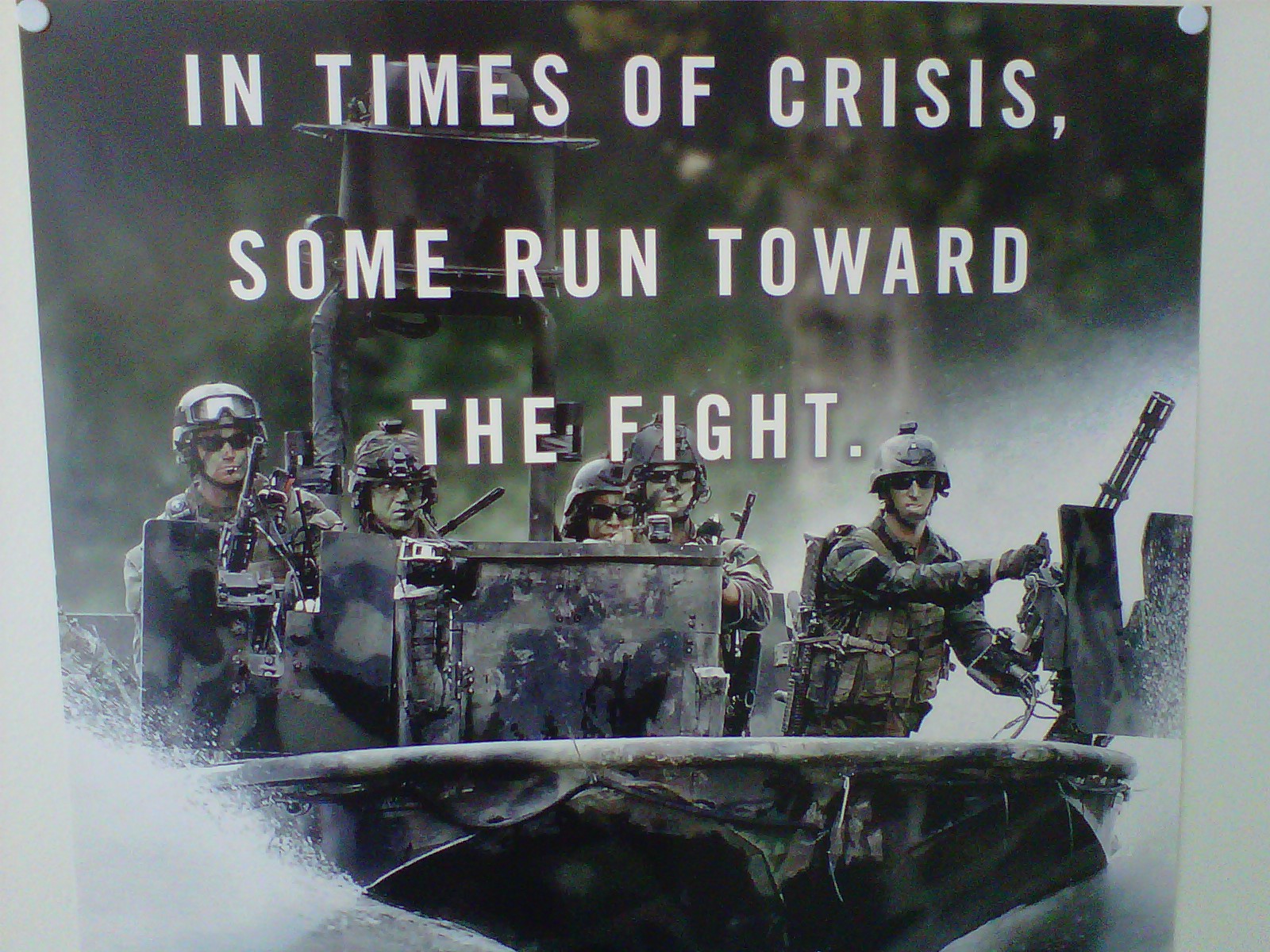
The Fighting Caregiver

towardthefight


0If you know someone who has bipolar disorder, it affects you too. The first and most important thing you can do is help him or her get the right diagnosis and treatment. You may need to make the appointment and go with him or her to see the doctor. Encourageyour loved one to stay in treatment.

caregivers
Your touch can make a big difference

To help a friend or relative, you can:

  • Offer emotional support, understanding, patience, and encouragement
  • Learn about bipolar disorder so you can understand what your friend or relative is experiencing
  • Talk to your friend or relative and listen carefully
  • Listen to feelings your friend or relative expresses-be understanding about situations that may trigger bipolar symptoms
  • Invite your friend or relative out for positive distractions, such as walks, outings, and other activities
  • Remind your friend or relative that, with time and treatment, he or she can get better.

Never ignore comments about your friend or relative harming himself or herself. Always report such comments to his or her therapist or doctor.

Support for caregivers

Like other serious illnesses, bipolar disorder can be difficult for spouses, family members, friends, and other caregivers. Relatives and friends often have to cope with the person’s serious behavioral problems, such as wild spending sprees during mania, extreme withdrawal during depression, poor work or school performance. These behaviors can have lasting consequences.

Caregivers usually take care of the medical needs of their loved ones. The caregivers have to deal with how this affects their own health. The stress that caregivers are under may lead to missed work or lost free time, strained relationships with people who may not understand the situation, and physical and mental exhaustion.

Stress from caregiving can make it hard to cope with a loved one’s bipolar symptoms. One study shows that if a caregiver is under a lot of stress, his or her loved one has more trouble following the treatment plan, which increases the chance for a major bipolar episode. It is important that people caring for those with bipolar disorder also take care of themselves.

Recommended help for Caregivers: http://www.healthyplace.com/bipolar-disorder/support/member-of-family-is-mentally-ill-what-now/menu-id-67/

This post is dedicated to Lynnie, who is both amazing and aware of me and my issues. She covers me through depression and delusions. She has bandaged cut wrists, and helped me through the blackest of despair. She has been the best caregiver ever. Thank you my love. –B