You’re His Special Delight

Delighted In

“He also brought me out into a broad place;
He delivered me because He delighted in me.” 

Psalm 18:19

God doesn’t deliver us because He feels He has to, or should, but because He wants to.

Lord, thank You for taking delight in us. May we delight in You as well! And here’s a simple poem…

source – marciahinds.com

Always

I delight in you
in the dead of night
during your darkest day
I’m loving you, always.

I delight in you
when everything’s alright
in the midst of praise
I’m loving you, always.

#

Please visit Deb Feller’s blog, “SIMPLE POEMS, SIMPLE FAITH”

http://iftodaywehear.wordpress.com/

cropped-christiangraffiti1.jpg

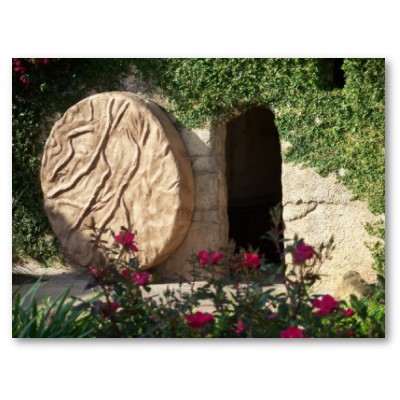
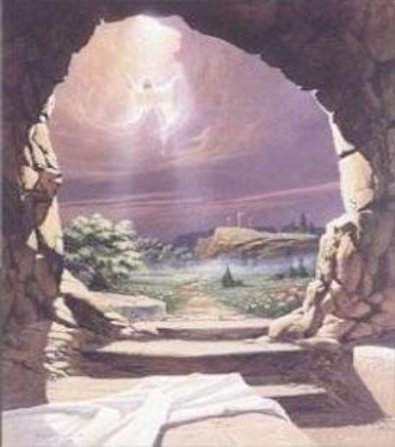
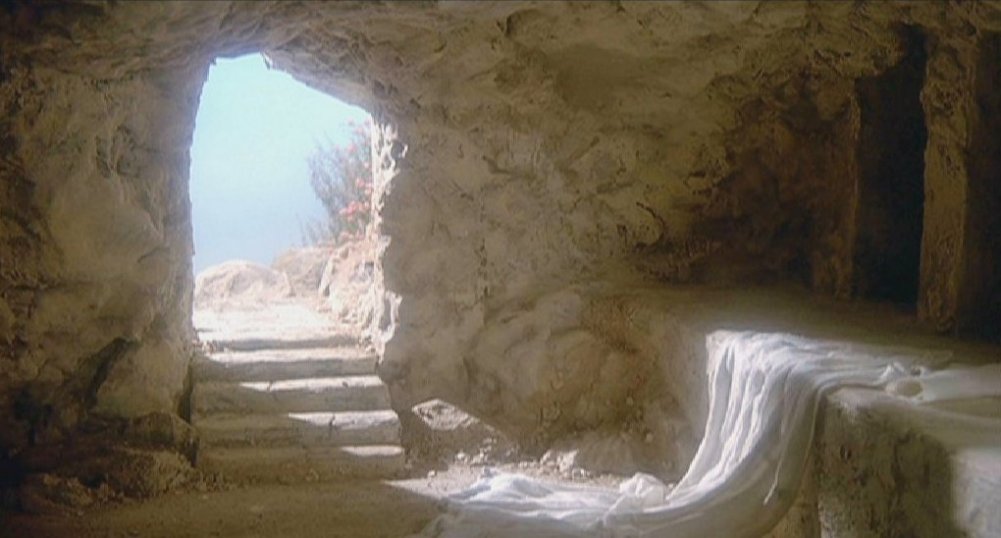
Depictions of an Empty Tomb

It’s Easter Sunday, and so I’m foregoing the usual routine and directing my attention to photos/artwork depicting the empty tomb of Jesus Christ. Take a look, pause and even pray–if that is something you want to do.

“That if you confess with your mouth, “Jesus is Lord,” and believe in your heart that God raised him from the dead, you will be saved.”

Romans 10:9

________________________________

John and Peter Run to the Empty Tomb


Line-drawing, but I like the depiction of raw power


Actually, the flowers make this


I really like this one


I like the light/darkness idea


He is gone!


This catches the power and majesty


tomb1


empty-tomb-of-Jesus-Christ


The tomb site according to ecclesiastical tradition

Mark 16

“1When the Sabbath was over, Mary Magdalene, Mary the mother of James, and Salome bought spices so that they might go to anoint Jesus’ body. 2Very early on the first day of the week, just after sunrise, they were on their way to the tomb 3and they asked each other, “Who will roll the stone away from the entrance of the tomb?”
4But when they looked up, they saw that the stone, which was very large, had been rolled away. 5As they entered the tomb, they saw a young man dressed in a white robe sitting on the right side, and they were alarmed.
6“Don’t be alarmed,” he said. “You are looking for Jesus the Nazarene, who was crucified. He has risen! He is not here. See the place where they laid him. 7But go, tell his disciples and Peter, ‘He is going ahead of you into Galilee. There you will see him, just as he told you.’ “
8Trembling and bewildered, the women went out and fled from the tomb. They said nothing to anyone, because they were afraid.”


For info on the traditional ecclesiastical site, go to:

http://www.israeljerusalem.com/tomb-of-jesus-jerusalem.htm

cropped-christiangraffiti1 (1)

The Micro and the Macro, by John Piper

10piper
John Piper, Pastor of Bethlehem Baptist Church, Minneapolis. Writer and Speaker, DesiringGod.org

Originally dated, July 14, 2008 | By: John Piper 

One of the reasons God rarely gives micro reasons for his painful providences, but regularly gives magnificent macro reasons, is that there are too many micro reasons for us to manage, namely, millions and millions and millions and millions and millions. God says things like:

  1. These bad things happened to you because I intend to work it together for your good (Romans 8).
  2. These happened so that you would rely more on God who raises the dead (2 Corinthians 1).
  3. This happened so that the gold and silver of your faith would be refined (1 Peter 1).
  4. This thorn is so that the power of Christ would be magnified in your weakness (2 Corinthians 12).

But we can always object that there are other easier ways for God to accomplish those things. We want to know more specifics: Why now? Why this much? Why this often? Why this way? Why these people?

The problem is, we would have to be God to grasp all that God is doing in our problems. In fact, pushing too hard for more detailed explanations from God is a kind of demand that we be God.

horseshoe-anvil-clipartThink of this, you are a blacksmith making horseshoes. You are hammering on a white hot shoe and it ricochets off and hits you in the leg and burns you. In your haste to tend to your leg you let the shoe alone unfinished. You wonder why God let this happen. You were singing a hymn and doing his will. Your helper, not knowing the horseshoe was unfinished gathered it up and put it with the others.

Later there was an invasion of your country by a hostile army with a powerful cavalry. They came through your town and demanded that you supply them with food and with shoes for their horses. You comply. Their commander has his horse shod by his own smith using the stolen horseshoes, and the unfinished shoe with the thin weak spot is put on the commander’s horse. In the decisive battle against the loyal troops defending your homeland the enemy commander is leading the final charge. The weak shoe snaps and catches on a root and causes his horse to fall. He crashes to the ground and his own soldiers, galloping at full speed, trample him to death. This causes such a confusion that the defenders are able to rout the enemy and the country is saved. Now you might say, well, it would sure help me trust God if he informed me of these events so that I would know why the horseshoe ricocheted and burned my leg. Well maybe it would help you. Maybe not.

God cannot make plain all he is doing, because there are millions and millions and millions and millions of effects of every event in your life, the good and the bad. God guides them all. They all have micro purposes and macro purposes. He cannot tell you all of them because your brain can’t hold all of them.

Trust does not demand more than God has told us. And he has given us immeasurably precious promises that he is in control of all things and only does good to his children. And he has given us a very thick book where we can read story after story after story about how he rules for the good of his people. Let’s trust him and not ask for what our brains cannot contain.

flourish1


http://www.desiringgod.org/Blog/1307_why_god_doesnt_fully_explain_pain/

Need Immediate Help? Call 1-888-NeedHim

Hardly Indispensable: A Leader’s View

hands1

13″ The next day, Moses took his seat to hear the people’s disputes against each other. They waited before him from morning till evening.

14 When Moses’ father-in-law saw all that Moses was doing for the people, he asked, “What are you really accomplishing here? Why are you trying to do all this alone while everyone stands around you from morning till evening?”

Exodus 18

Often your father-in-law will observe things clearly and honestly. I believe most can perceive situations that our own fathers will overlook. I think this is because our own fathers are often functioning out of their hearts.  They are emotionally attached. But a father-in-law has a different view.

Jethro has come, most likely to escort the grandkids, and his daughter. He is probably quite curious about Moses new direction. Jethro has only known that his son-in-law as a shepherd. But now, things are changing quickly. And Jethro is praising God for what He did over the Egyptians.

Jethro is enthusiastic. But he is also alert and aware. As Moses schedules his day, Jethro sees an inordinate amount of time given to judging, not leading. He watches and than asks some questions. This is the sign of good correction. Moses faces these questions really well. He is a great model for teachability.

Leadership is almost always a shared work.

Many aspects of it should be collaborative and plural. The singular view of leading people– out of my own resources alone, will not end well. Moses was teachable and Jethro needed to share this word of correction. If Moses had not took the wise advice of Jethro, they would’ve died in the desert.

When Moses released these things to others who were qualified, he commences on a new understanding of ministry. He actually becomes a better man because of the advice of Jethro. He must become “expendable.”

24 “Moses listened to his father-in-law’s advice and followed his suggestions. 25 He chose capable men from all over Israel and appointed them as leaders over the people. He put them in charge of groups of one thousand, one hundred, fifty, and ten.26 These men were always available to solve the people’s common disputes. They brought the major cases to Moses, but they took care of the smaller matters themselves.”

None are ever indispensable and no one can do everything. We may try, but that usually is ego. We will do better if we will relinquish control. I think that the Father designs it this way.

Dwight L. Moody once said that he would rather put a thousand men to work than do the work of a thousand men.  I believe that is a Kingdom concept that we should activate.
bry-signat (1)

cropped-christiangraffiti1.jpg

*