
Church response to the mentally ill
By Peter Andres
Are people of faith with a mental illness different from those who have a physical illness? Much about mental illness still remains a mystery. That’s one of the reasons people are tempted to spiritualize the problem. They hope that the person with mental illness would be able to gain spiritual strength and thus gain victory over the illness.
What remains hard for many to understand is that having a mental illness and being a strong person of faith is no different than having a serious physical illness and being a strong person of faith.
How can church leaders encourage support of people with a mental illness? What does a person with a mental illness need to help him or her feel accepted and part of the congregation? How does the Christian message and experience take on meaning under these circumstances? What exactly is mental illness, anyway?
Marja Bergen, in her book, Riding the Roller Coaster (Northstone, 1999), describes her experiences living with bipolar disorder. She talks about the many important factors that helped make her life with this illness tolerable and manageable. Having a supportive husband, friends, and service systems were critical, but she also acknowledges the importance of a spiritual home.
Her church friends learned to understand her illness and provided spiritual nurture, especially during difficult times. She speaks about friendships which include a common belief as being the most valuable ones she’ll have. But she also admits that she was fortunate in this regard.
Sadly, many people with mental illness who look for spiritual help during difficult times face ignorance, stigma, avoidance, and judgment. The spiritual counsel and prayer these people receive frankly do more harm than good.
Understanding mental illness, even from the professional, scientific perspective, is still very much a work in progress. Schizophrenia and its related disorders, bipolar disorder (also known as manic depression), major depression, panic and obsessive-compulsive disorders, are all considered mental illnesses. It is estimated that between 15 percent to 20 percent of North Americans will, at some time in their lives, experience a mental illness. Most of these will suffer debilitating depression.
Evidence suggests there are probably organic (biochemical) reasons for the illness, or psycho-social origins — or a combination of the two. Treatments that deal with the symptoms include medications, psychotherapy or a blend of both.
What is clear to people working in the field is that the experience of the illness goes far beyond living with the symptoms. While a person who has a physical illness — even cancer — suffers discomfort and anxiety related to the illness, those who have a mental illness suffer from a constellation of additional issues. These all affect their ability to return to wellness. One of them is stigma, both internally and externally imposed. There’s also the loss of self-worth and self-efficacy that might come with a loss of job, friends, marriage and the feelings of being separated from God.
How can the church assist someone in a situation as devastating as this?
1. Church leaders and church members need to know that a mental illness is not the same as a spiritual crisis. Nor is the absence of healing, especially after fervent prayer, a sign of judgment or lack of faith.
2. There should be no judgment about the use of mood altering medications. Medications are commonly needed to treat the bio-chemical causes for the disorder and radically help many keep their symptoms under control.
3. Quality of life for a person suffering from mental illness does not depend on a complete remission from the illness.
What church members need to know is that many experience a recovery which allows them to return to an active and fulfilling life — but still continue to experience times that are difficult. Recovery from mental illness means: the return of a positive sense of self, usually through meaningful endeavour (work, vocation), a circle of meaningful relationships, a place to live that the person can call his or her own, and a spiritual life that feels a reconnection with God.
The recovering person can be experiencing personal brokenness and limitations, yet have valuable gifts to offer to the church community.
Peter Andres is a regional director for MCC Supportive Care Services, a non-profit charitable organization which supports people with disabilities — including people with mental health issues. He can be contacted at peter@mccscs.com.


 1 By faith we have been made acceptable to God. And now, because of our Lord Jesus Christ, we live at peace with God. 2 Christ has also introduced us to God’s undeserved kindness on which we take our stand. So we are happy, as we look forward to sharing in the glory of God.
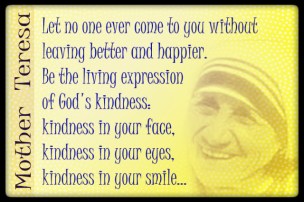 Kindness and tenderness fit precisely together. Both together are quite a force to be reckoned with. But there is one thing more. If we delight in all the kindness shown to us, we need to practice pouring it on others.








 Broken Believers