
Does your child go through intense mood changes?
Does your child have extreme behavior changes too? Does your child get too excited or silly sometimes? Do you notice he or she is very sad at other times? Do these changes affect how your child acts at school or at home?
Some children and teens with these symptoms may have bipolar disorder, a serious mental illness. Read on to understand more.
What is bipolar disorder?
Bipolar disorder is a serious brain illness. It is also called manic-depressive illness. Children with bipolar disorder go through unusual mood changes. Sometimes they feel very happy or “up,” and are much more active than usual. This is called mania. And sometimes children with bipolar disorder feel very sad and “down,” and are much less active than usual. This is called depression.
Bipolar disorder is not the same as the normal ups and downs every kid goes through. Bipolar symptoms are more powerful than that. The illness can make it hard for a child to do well in school or get along with friends and family members. The illness can also be dangerous. Some young people with bipolar disorder try to hurt themselves or attempt suicide.
Children and teens with bipolar disorder should get treatment. With help, they can manage their symptoms and lead successful lives.
Who develops bipolar disorder?
Anyone can develop bipolar disorder, including children and teens. However, most people with bipolar disorder develop it in their late teen or early adult years. The illness usually lasts a lifetime.
How is bipolar disorder different in children and teens than it is in adults?
When children develop the illness, it is called early-onset bipolar disorder. This type can be more severe than bipolar disorder in older teens and adults. Also, young people with bipolar disorder may have symptoms more often and switch moods more frequently than adults with the illness.
What causes bipolar disorder?
Several factors may contribute to bipolar disorder, including:
- Genes, because the illness runs in families. Children with a parent or sibling with bipolar disorder are more likely to get the illness than other children.
- Abnormal brain structure and brain function.
- Anxiety disorders. Children with anxiety disorders are more likely to develop bipolar disorder.
The causes of bipolar disorder aren’t always clear. Scientists are studying it to find out more about possible causes and risk factors. This research may help doctors predict whether a person will get bipolar disorder. One day, it may also help doctors prevent the illness in some people.
What are the symptoms of bipolar disorder?
Bipolar mood changes are called “mood episodes.” Your child may have manic episodes, depressive episodes, or “mixed” episodes. A mixed episode has both manic and depressive symptoms. Children and teens with bipolar disorder may have more mixed episodes than adults with the illness.
Mood episodes last a week or two—sometimes longer. During an episode, the symptoms last every day for most of the day.
Mood episodes are intense. The feelings are strong and happen along with extreme changes in behavior and energy levels.
Children and teens having a manic episode may:
- Feel very happy or act silly in a way that’s unusual
- Have a very short temper
- Talk really fast about a lot of different things
- Have trouble sleeping but not feel tired
- Have trouble staying focused
- Talk and think about sex more often
- Do risky things.
Children and teens having a depressive episode may:
- Feel very sad
- Complain about pain a lot, like stomachaches and headaches
- Sleep too little or too much
- Feel guilty and worthless
- Eat too little or too much
- Have little energy and no interest in fun activities
- Think about death or suicide.
Do children and teens with bipolar disorder have other problems?
Bipolar disorder in young people can co-exist with several problems.
- Substance abuse. Both adults and kids with bipolar disorder are at risk of drinking or taking drugs.
- Attention deficit/hyperactivity disorder, or ADHD. Children with bipolar disorder and ADHD may have trouble staying focused.
- Anxiety disorders, like separation anxiety. Children with both types of disorders may need to go to the hospital more often than other people with bipolar disorder.
- Other mental illnesses, like depression. Some mental illnesses cause symptoms that look like bipolar disorder. Tell a doctor about any manic or depressive symptoms your child has had.
Sometimes behavior problems go along with mood episodes. Young people may take a lot of risks, like drive too fast or spend too much money. Some young people with bipolar disorder think about suicide. Watch out for any sign of suicidal thinking. Take these signs seriously and call your child’s doctor.
How is bipolar disorder diagnosed?
An experienced doctor will carefully examine your child. There are no blood tests or brain scans that can diagnose bipolar disorder. Instead, the doctor will ask questions about your child’s mood and sleeping patterns. The doctor will also ask about your child’s energy and behavior. Sometimes doctors need to know about medical problems in your family, such as depression or alcoholism. The doctor may use tests to see if an illness other than bipolar disorder is causing your child’s symptoms.
How is bipolar disorder treated?
Right now, there is no cure for bipolar disorder. Doctors often treat children who have the illness in a similar way they treat adults. Treatment can help control symptoms. Treatment works best when it is ongoing, instead of on and off.
1. Medication. Different types of medication can help. Children respond to medications in different ways, so the type of medication depends on the child. Some children may need more than one type of medication because their symptoms are so complex. Sometimes they need to try different types of medicine to see which are best for them.
Children should take the fewest number and smallest amounts of medications as possible to help their symptoms. A good way to remember this is “start low, go slow”. Always tell your child’s doctor about any problems with side effects. Do not stop giving your child medication without a doctor’s help. Stopping medication suddenly can be dangerous, and it can make bipolar symptoms worse.
2. Therapy. Different kinds of psychotherapy, or “talk” therapy, can help children with bipolar disorder. Therapy can help children change their behavior and manage their routines. It can also help young people get along better with family and friends. Sometimes therapy includes family members.
What can children and teens expect from treatment?
With treatment, children and teens with bipolar disorder can get better over time. It helps when doctors, parents, and young people work together.
Sometimes a child’s bipolar disorder changes. When this happens, treatment needs to change too. For example, your child may need to try a different medication. The doctor may also recommend other treatment changes. Symptoms may come back after a while, and more adjustments may be needed. Treatment can take time, but sticking with it helps many children and teens have fewer bipolar symptoms.
You can help treatment be more effective. Try keeping a chart of your child’s moods, behaviors, and sleep patterns. This is called a “daily life chart” or “mood chart.” It can help you and your child understand and track the illness. A chart can also help the doctor see whether treatment is working.
How can I help my child or teen?
Help your child or teen get the right diagnosis and treatment. If you think he or she may have bipolar disorder, make an appointment with your family doctor to talk about the symptoms you notice.
If your child has bipolar disorder, here are some basic things you can do:
- Be patient
- Encourage your child to talk, and listen to him or her carefully
- Be understanding about mood episodes
- Help your child have fun
- Help your child understand that treatment can help him or her get better.
How does bipolar disorder affect parents and family?
Taking care of a child or teenager with bipolar disorder can be stressful for you too. You have to cope with the mood swings and other problems, such as short tempers and risky activities. This can challenge any parent. Sometimes the stress can strain your relationships with other people, and you may miss work or lose free time.
If you are taking care of a child with bipolar disorder, take care of yourself too. If you keep your stress level down you will do a better job. It might help your child get better too.
Where do I go for help?
If you’re not sure where to get help, call your family doctor. You can also check the phone book for mental health professionals. Hospital doctors can help in an emergency.
I know a child or teen who is in crisis. What do I do?
If you’re thinking about hurting yourself, or if you know someone who might, get help quickly.
- Do not leave the person alone
- Call your doctor
- Call 911 or go to the emergency room
-
Call a toll-free suicide hotline: 1-800-273-TALK (8255) for the National Suicide Prevention Lifeline.
National Institute of Mental Health
Science Writing, Press & Dissemination Branch
6001 Executive Boulevard
Room 8184, MSC 9663
Bethesda, MD 20892-9663
Phone: 301-443-4513 or
Toll-free: 1-866-615-NIMH (6464)
TTY Toll-free: 1-866-415-8051
Fax: 301-443-4279
E-mail: nimhinfo@nih.gov
Web site: www.nimh.nih.gov

59.656900
-151.488000







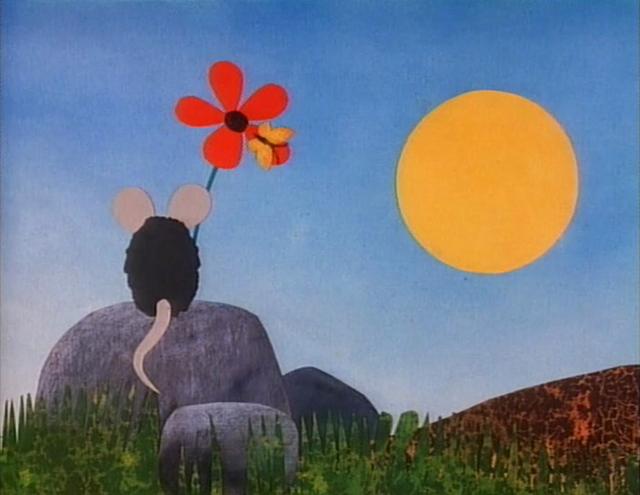
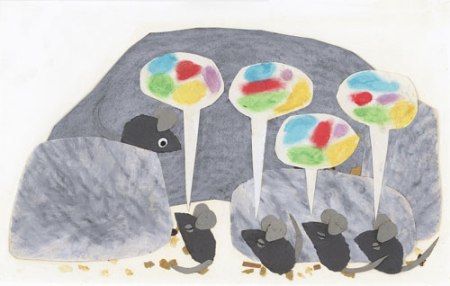 Finally in the dead of winter, sheltered deep underground, their supplies are running low. One of the mice turns to Frederick, and asks him to share what he has collected. And he does precisely that. They sit in a circle and Frederick shares the sunlight, and the rich colors and the beautiful words he has stored up for them. Their little ‘mouse-hearts’ are deeply touched by Frederick’s contribution.
 Broken Believers