“A pearl is a beautiful thing that is produced by an injured life. It is the tear [that results] from the injury of the oyster.”
“The treasure of our being in this world is also produced by an injured life. If we had not been wounded, if we had not been injured, then we will not produce the pearl.”
–Stephan Hoeller
Sometimes we find it almost impossible to see things from God’s perspective. We hurt, and lash out, sometimes irrationally. We subconsciously compare our situation to others we see and admire. This is something we do almost automatically. When it feels like we are being singled out, we get angry with God. Deep down, we know better, but anger can get the best of us.
God’s business is pearl-planting. He’s simply looking for a soft heart that can be cultivated.
His intention is never to harm but to only enrich us. When Lynn and I lost our daughter, Elizabeth, the pain was incredible. We looked and saw healthy families all around us. I began to accuse God and compare us with them. We hurt, they did not, and it seemed so unfair. It’s been awfully hard. But as time moved on, I slowly felt the growth inside.
Overtime it hasbecomeapearl.
A pearl of great price, because it came to us as a result of our daughter’s tragic death.
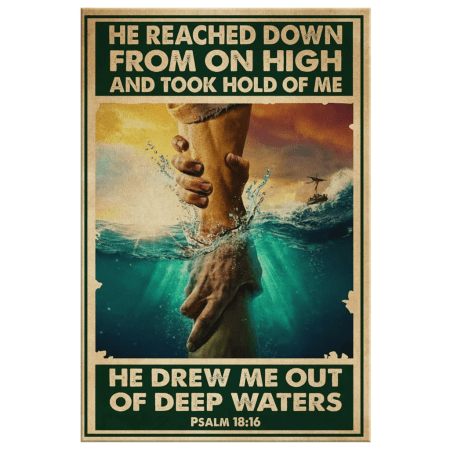
Our lives have been injured, and perhaps my illness has exacerbated things. Maybe physical issues or pain are a definite part of your life. There is a myriad of ways we can hurt. At times we are angry. But remember, God has a plan and He also understands completely. When Jesus meets you in heaven–he will do so with nail-pierced hands.
Jesusunderstandsyou. Heseesthepain.
“I wish, brothers and sisters, that we could all imitate the pearl oyster–A hurtful particle intrudes itself into its shell, and this vexes and grieves it. It cannot reject the evil, but what does it do but “cover” it with a precious substance extracted out of its own life, by which it turns the intruder into a pearl!”
“Oh, that we could do so with the provocations we receive from our fellow Christians, so that pearls of patience, gentleness, and forgiveness might be bred within us by that which otherwise would have harmed us.“
The apostle Paul once wrote, “For our light and momentary troubles are achieving for us an eternal glory that far outweighs them all.” 2 Corinthians 4:17 (NIV).
The troubles we face don’t seem light or momentary. They feel heavy and often permanent. Especially when one struggles with troubles like mental illness, fibromyalgia and other chronic pain syndromes, physical disabilities, and cancer. Surely Paul was mistaken when he described our troubles as light and momentary. Perhaps his life was a different experience?
No, Paul knew what he was talking about; he knew about all about troubles.
He was flogged and beaten, threatened with stoning, and thrown in jail multiple times for proclaiming Christ. He was shipwrecked not once, not twice, but three times. Although the Bible doesn’t tell us how Paul died, other historical documents suggest that he was beheaded.
Once he chose to follow Christ and proclaim His name, Paul’s life was anything but easy, his troubles anything but light and momentary. And yet, compared to the eternal glory his passion for Christ was earning for him, he could truthfully call them light and momentary.
Our burdens become light when we give them to Jesus.
“Come to me, all you who are weary and burdened, and I will give you rest.” Matthew 11:28 (NIV). He will carry the load if only we are willing to give it up. Sometimes he brings fellow believers alongside to help with this.
Our troubles become momentary when we see them from an eternal perspective. “But do not forget this one thing, dear friends: With the Lord a day is like a thousand years, and a thousand years are like a day.” 2 Peter 3:8 (NIV). In our earthly bodies we are bound by time and can be easily fooled by it.
In God’s kingdom, time becomes somewhat irrelevant.
My favorite of all the apostles is John, “the disciple whom Jesus loved.”
Some people give him a bad rap for calling himself that, saying it’s arrogant. I disagree. I don’t believe this title for himself is any indication he thought he was the only one. Rather, I believe it reveals how certain he was that Jesus loved him and everyone else, including you.
I love John’s Gospel, his three epistles, and Revelation.
One of my favorite passages is from 1 John 4:7-21. It’s all about God’s love for all of His children and how we should love each other in the same way. There’s not a hint of arrogance here.
There are a number of things I love about John’s writings:
He reminds his readers that he was an eye witness to the life, death, and resurrection of Jesus. That means he writes with truth and authority of what he knows to be true.
He clearly sets out the evidence for Jesus’ divinity. Especially in the Gospel, where we see the “I am” statements of Jesus.
He focuses, particularly in the epistles, on the love of God. In fact, he says “God is love” twice in 1 John 4.
He reveals the power and purpose of the Holy Spirit in the lives of believers. It is by the Spirit that we overcome sin and know we are God’s children.
He provides believers with an assurance of salvation.
It is this last point that I’m focusing on today. Early in the history of the Christian faith, deceivers had come into the church who taught that one had to achieve sinless perfection to be saved. John wrote his first epistle to combat this heresy. The same type of heresy has crept into many legalistic denominations even today. By outwardly following the rules, such people claim to be without sin. But as John writes:
“If we claim to be without sin, we deceive ourselves and the truth is not in us. If we confess our sins, he is faithful and just and will forgive us our sins and purify us from all unrighteousness. If we claim we have not sinned, we make him out to be a liar and his word is not in us.”
1 John 1:8-10 (NIV).
John here provides assurance that the fact that the believer sometimes sins does not negate their salvation, because Jesus is faithful and forgives our sin. One dictionary definition of assurance is “full confidence; freedom from doubt; certainty.” Throughout this epistle, John provides further assurance that those who trust in Jesus can be certain of their salvation even though they are not sinless and perfect.
The word know appears 42 times in this short epistle.
John wants to make sure believers know that God loves them and that they can rely on His promise of salvation. In each of the chapters of the epistle, John includes his assurance:
“Dear friends, if our hearts do not condemn us, we have confidence before God and receive from him anything we ask, because we keep his commands and do what pleases him. And this is his command: to believe in the name of his Son, Jesus Christ, and to love one another as he commanded us. The one who keeps God’s commands lives in him, and he in them. And this is how we know that he lives in us: We know it by the Spirit he gave us.”
1 John 3:21-24 (NIV).
“If anyone acknowledges that Jesus is the Son of God, God lives in them and they in God. And so we know and rely on the love God has for us.”
1 John 4:15-16 (NIV).
“I write these things to you who believe in the name of the Son of God so that you may know that you have eternal life. This is the confidence we have in approaching God: that if we ask anything according to his will, he hears us.”
1 John 5:13-14 (NIV).
None of us is perfect and completely sinless. If we were, we would not need a savior. But we do need Him, and we thrive best knowing that He is faithful in His promise of salvation for those who believe.
Now don’t get me wrong. John does not advocate living a life in which we sin willy-nilly simply because we know we can be forgiven. Those who truly believe in Jesus, and trust in Him for salvation, will desire to keep God’s commands. His Spirit living in our hearts will help us to overcome the temptations of the world and to love as He has commanded.
Are you struggling today with worries that you are not good enough, that you’ve sinned too much, or that God will give up on you and you will lose your salvation? Meditate on John’s words, inspired by God, and know that these worries are unfounded. It is the struggle itself that proves you are alive in Christ.
Remember, God is faithful in His promises. He has promised eternal life to all who believe in Jesus and allow His love to live in them. He has not hidden the truth from us, but has made Himself known through His Son and the witness of the apostles so that we can be assured of our place in His Kingdom.
Linda L. Kruschke is the author of My Name Is Beloved, winner of the Unpublished Memoir category of the Oregon Christian Writers Cascade Writing Contest, as well as self-published author of two poetry books. She is a wife, mother, active member of her church, and former Bible Study Fellowship leader. After struggling through years of major clinical depression and finding God’s healing grace, she is now a fearless follower of Christ, living in the assurance of her salvation and God’s love. She is an overseer of this blog–brokenbelievers.com.