
We are for the most part anyway, eager to please God. We are Jesus’ people with the occasional brush with sin. But hey, who doesn’t? But that attitude must be questioned.
“My little children, these things I write to you, so that you may not sin.”
1 John 2:1
John hopes that his readers would make a choice— not to commit sin. After all, what soldier goes into battle with the intent of getting just a little wounded? Often we will sin just because it seems so inevitable, and we feel we can’t help ourselves. (But the reality is that we can.)
But the Holy Spirit now lives inside. Cooperation with Him is needed. Often we will work ourselves into a ‘no win scenario’ where we believe that sin rules. We can’t beat it, so we stop trying. That is common, and sad.
‘Passivity’ is defined as not participating readily or actively; inactive. When we are passive spiritually, we disengage ourselves from any effort of living holy and pure lives. Not being ‘hot’, but content to be lukewarm. At this point sin becomes, reluctantly, tolerated. “After all, I’m a sinner, what else can I do?”
Mentally ill people are often passive. We are told that we have an uncontrolled illness which dictates that we act ‘irresponsible.’ Our depression often escalates and we feel victimized by it. My experience has taught me that there are three kinds of depression:
- organic depression, or the ‘biochemistry’ of the disease,
- guilty depression, the kind that feels bad because of what we’ve done (or didn’t do),
- reactionary depression, the type we feel when experiencing a loss, a loved one, or a job
Depression will almost always fall in these three categories. And passivity plays a part in all three. We frequently feel victimized and ‘acted upon.’ When it comes to our discipleship we don’t act, we react. We are utterly convinced of the Bible— God’s truth, but we are so sporadic we can’t seem to get it to work for any length of time.
Yes, we are believers. And yes, we have issues. We’re waiting for a miracle, and hope we get a breakthrough soon.
At the base point of our lives, quite often, there is a passive attitude. Passivity aggravates our depression or mental illness. It deepens, spreading through our lives like a contagious illness. Our discipleship sputters and stalls. We no longer act on God’s Word, but we find ourselves fabricating a faith that makes allowances for our situation.
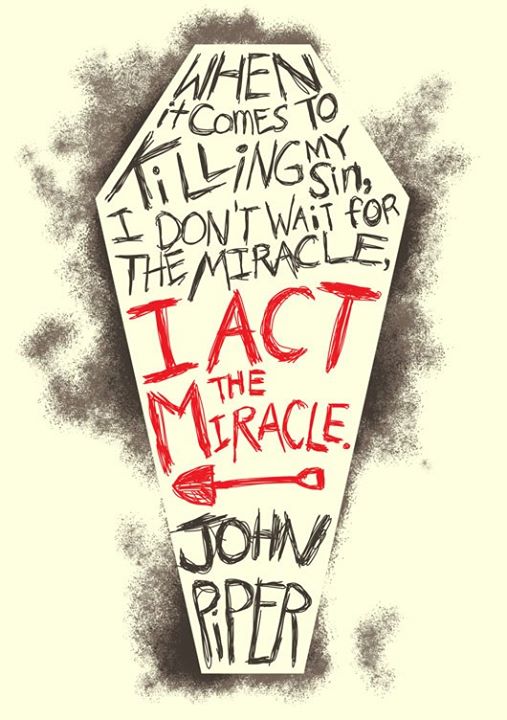
But we must ‘act the miracle.’ Everything God gives… everything… must be received by a convinced faith. We must be persuaded to give up our flawed ideas, and believe God for the real thing. I opened up this with 1 John 2:1. But there’s much more to this verse:
“My little children, these things I write to you, so that you may not sin. And if anyone sins, we have an Advocate with the Father, Jesus Christ the righteous.”
I don’t want you to sin. Avoid sin. But even if you do— we have someone who will plead our case before God. He stands and argues our plight. He loves us that much.



 “The highest honor that God can confer upon his children is the blood-red crown of martyrdom. The jewels of a Christian are his afflictions. The regalia of the kings that God has made, are their troubles, their sorrows, and their griefs. Griefs exalt us, and troubles lift us.”


 “What then are we to do about our problems? We must learn to live with them until such time as God delivers us from them. We must pray for grace to endure them without murmuring. Problems patiently endured will work for our spiritual perfecting. They harm us only when we resist them or endure them unwillingly.”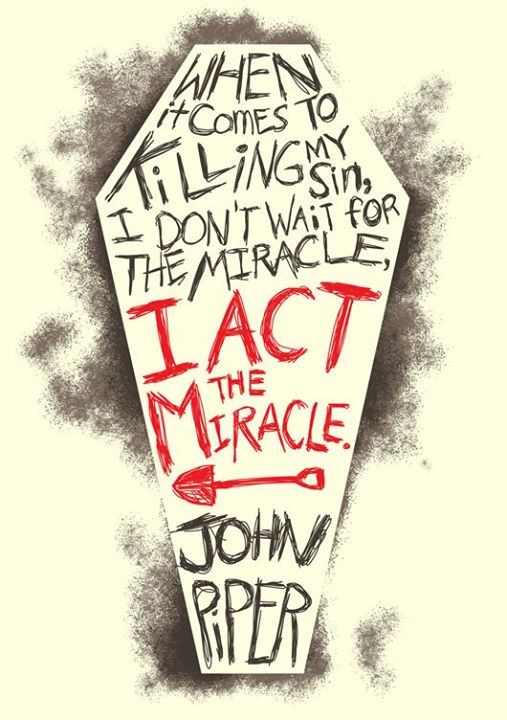


 Broken Believers