

 “The most important thing to remember about depression is this: you do not get the time back. It is not tacked on at the end of your life to make up for the disaster years. Whatever time is eaten by a depression is gone forever. The minutes that are ticking by as you experience the illness are minutes you will not know again.”
— Andrew Solomon (The Noonday Demon: An Atlas of Depression)
This morning we turned our clocks back one hour. I much prefer this adjustment over the spring moving them ahead, as I always feel cheated when I have to do this.
Losing time is one of those quiet issues that a mentally ill person often faces. The days spent in bed, the hours “hiding” in our rooms, the minutes frittered away with dull and anxious thinking are forever lost.
I have to believe that somehow God intervenes on behalf of the broken believer. That He can redeem all the time wasted in depression and its misery. The loss is tangible. But so is His redemption of me.
“Then I will make up to you for the years
That the swarming locust has eaten,
The creeping locust, the stripping locust and the gnawing locust,”
Joel 2:25, NASB
The prophet Joel saw the devastation that swarms of locusts had made on Israel’s crops. He observed the damage they had inflicted, and the loss they brought.
The theme of restoration runs through the Old Testament. It has the idea of reparations and repayment for God’s people. In many places God speaks a word of promise to those who suffered loss.
“He restores my soul;
He guides me in the paths of righteousness
For His name’s sake.”
Psalm 23:3
David’s shepherd psalm speaks hope and life to those of us who’ve suffered loss, “He restores my soul.” Psalm 23 describes the deep essence of God as a shepherd caring for His own, We can find in Him the restoration we want and need.
God’s heart for wayward sheep is huge. He loves those with a mental illness, and He comes to us willing and capable to redeem all our past yesterdays. He brings us beauty out of the ashes:
“and provide for those who grieve in Zion—
to bestow on them a crown of beauty
instead of ashes,
the oil of joy
instead of mourning,
and a garment of praise
instead of a spirit of despair.
They will be called oaks of righteousness,
a planting of the Lord
for the display of his splendor.”
Isaiah 61:3, NIV
All we have to do is wait. Lay out your issues of loss before Him. Let Him become the Lord of your past.
your brother, Bryan

 1 By faith we have been made acceptable to God. And now, because of our Lord Jesus Christ, we live at peace with God. 2 Christ has also introduced us to God’s undeserved kindness on which we take our stand. So we are happy, as we look forward to sharing in the glory of God.
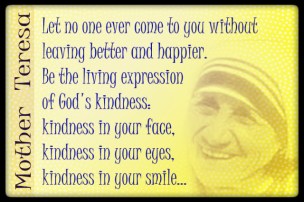 Kindness and tenderness fit precisely together. Both together are quite a force to be reckoned with. But there is one thing more. If we delight in all the kindness shown to us, we need to practice pouring it on others.
 Condemnation can go viral among believers. Not only does it infect us, but we become ‘carriers’ that often can sicken others spiritually. Our attitudes and thinking can become quite disturbed, and we then communicate that to our family and friends.
 There is almost always doubt involved, and it seems too good to be true, after all. There is also a entrenched concept of justice, right and wrong. Believers with a real feeling for ‘the scales of justice’ find themselves without any hope. They lose the concept of mercy and grace for their sins.

 “That’s the thing about depression: A human being can survive almost anything, as long as she sees the end in sight. But depression is so insidious, and it compounds daily, that it’s impossible to ever see the end. The fog is like a cage without a key.”
 Broken Believers