Worshiping With a Knife

 by the Forward

In Genesis 22, we have the story of Abraham and Isaac on Mt. Moriah.

Abraham has tied up his son on an altar to offer him as a sacrifice in obedience to God’s direction (v. 2). This is faith being tested to the ultimate extreme. And Abraham shows us how faith really works.

“Then on the third day Abraham lifted his eyes and saw the place afar off. And Abraham said to his young men, “Stay here with the donkey; the lad and I will go yonder and worship, and we will come back to you.”

Genesis 22:4-5

This is the first time that  the word “worship” is used in the Bible.

It sets the singular tone for all the scriptures on this subject. I guess what is interesting is there were no musical instruments involved. There was just these needful things:

  • stones,
  • wood,
  • rope,
  • fire,
  • a knife,
  • and Isaac, (the would-be ‘lamb.’)

There was just a handmade altar, and a sharp knife.

In the end, Abraham raises his knife, and then suddenly, (to the relief of us all) he is stopped. His faith has withstood the test, and he has truly ‘worshiped.’

But the Angel of the Lord called to him from heaven and said, “Abraham, Abraham!” So he said, “Here I am.” And He said, “Do not lay your hand on the lad, or do anything to him; for now I know that you fear God, since you have not withheld your son, your only son, from Me.”

Gen. 22:11-12

Principle One: There really can’t be worship without sacrifice.

Recovering this truth concerning worship is critical. It seems we delegate ‘worship’ to a select few who are talented and gifted. We probably don’t do this deliberately, but sometimes we feel it makes a better presentation. We all want to look good, even as Christians.

Principle Two: The first worshiper didn’t use a guitar, but a knife.

This difference keeps the idea of sacrifice in its definition. There isn’t worship without sacrifice. The knife thrust that he was ready to wield wasn’t backed up by drums or piano. Yet Abraham understood worship every step to Moriah with the knife in his belt.

So, brothers and sisters, because of God’s mercies, I encourage you to present your bodies as a living sacrifice that is holy and pleasing to God. This is your appropriate priestly service.”

Romans 12:1

Ultimately, we must realize our sacrifice is the Lamb of God. It’s His blood on God’s altar for our sins. As believers, our faith firmly rests in this spiritual fact.

We of all people have cause to really worship.

And no sacrifice should be too great for Him who gave Himself for us.

Christians in Cages

Psalm 124

We can play “the what if game.” We can think backwards, and hit replay, and pretend alternate realities. What if, I didn’t join the army? What if I died on that last drunken binge, choking on my own vomit? What if I would’ve died on that last suicide attempt?

David asks an enormous “what if” in Psalm 124:1-2

He poses this question. He wants Israel to understand what he is saying. He asks the people to repeat after him. He then re-frames the question in verse 2. “What if God had not stepped into the situation?

David insists that his listeners think this through.

And this trip down ‘memory lane’ examines what would of (or could have) happened if God would have simply taken His hand off Israel as a nation.

I truly believe that we should do the very same today. Just pause to reflect on His grace and care. Simply try to understand that it was God’s hand holding you in place all along. All that He does for us is very good.

There is also can be a sense of being overwhelmed by your enemies.

The malevolent forces of the enemy have a ministry. And that ministry is to ‘steamroll’ and crush out the light. Satan hates the truth and he hates you.

David is a very vivid writer, he had a fantastic gift–a great flair of choosing the best words and images. He weaves a song and we see God intervening, protecting, and preventing Israel from becoming a Satan’s snack.

Psalm 124:6-7

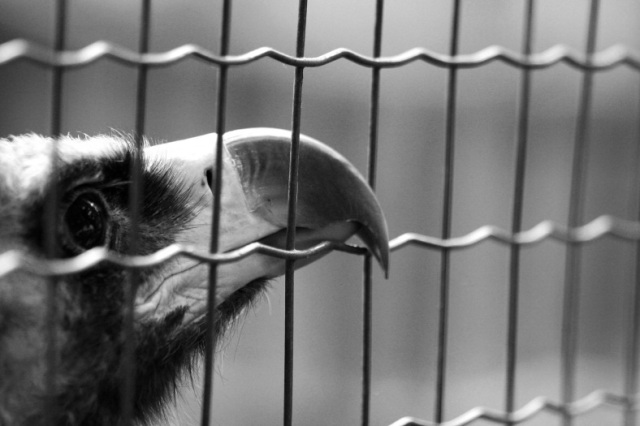
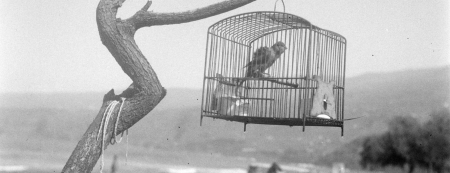
I love these 2 verses. “Escaped” is emphasized twice–the bird catchers have collected many small birds, snared by a little food and a strong net. They keep them in a cage. But wait! Something has just happened, and the birds have somehow escaped!

Have you been wounded inside? Do you struggle hard with depression and loneliness?

There is so much ugliness. The enemy can throw so much at us. Many of us lack the strength to resist him. We can fight and flap and throw ourselves at the bars, but we are trapped. But then Jesus comes, He smashes cages, and frees birds like us.

Verse 8 is the final thought of this psalm.

It sums up everything so wonderfully. There is help. Our Creator deeply cares for us. He has ultimate strength. Put your heart in His hands. We read the last verse…

“Our help is in the name of the Lord,
Who made heaven and earth.”

Psalm 124:8

brokenbelievers.com


Prayer Changes My Heart

“I pray because I can’t help myself. I pray because I’m helpless. I pray because the need flows out of me all the time – waking and sleeping. It doesn’t change God – it changes me.”

CS Lewis

One of my blogging friends, Theresa Moore, posted this quote on Facebook the other day and it really stuck with me. C.S. Lewis was such a brilliant man and has such a wonderful way of explaining faith and related matters.

I especially can relate to the last part of the quote: “It doesn’t change God – it changes me.” That is so true. God does not change. He is the same yesterday, today, and forever. But by spending time with Him in prayer I am changed to be more like Him each day. As I pray for the ability to see me as He sees me – both as I am and as He desires me to be – I grow in faith and understanding. I cannot help but be changed by this process.

I have found another thing about prayer.

Jesus said that we should pray for our enemies and for those who persecute us. When we do this, our tendency is to pray that God would change them. But prayer seldom changes the difficult people in our lives (though on occasion it can).

What prayer for our enemies does is change our attitude towards them. When I earnestly pray for the difficult people in my life, God helps me to see them from His perspective and to understand a little better why they might be the way they are and the root of their difficult behavior.

Prayer doesn’t change my enemies.

It changes me. It helps me gain the wisdom and compassion necessary to love them as God has called me to do. And when I love them, perhaps I might help them to change, too.

Dear friends, never take revenge. Leave that to the righteous anger of God. For the Scriptures say,

“I will take revenge;
    I will pay them back,”
    says the Lord.

20 Instead,

“If your enemies are hungry, feed them.
    If they are thirsty, give them something to drink.
In doing this, you will heap
    burning coals of shame on their heads.”

21 Don’t let evil conquer you, but conquer evil by doing good.

Romans 12:19-21, NLT

anotherfearlessyear.net

Repeat Offenders

“Father, every family has a rascal someone who breaks the rules a juvenile delinquent of untold frustrations and sleepless nights a repeated offender and bearer of sad woe the problem child who needs the most discipline.

Is this why you love me most persistently? When you correct me, is it because I’m the one most contrary?

Or is it that you love me so much?”

 I wrote this thinking about Hebrews 12 and God’s purpose of chastening. I don’t pretend to understand this dynamic completely–all I can say is that my childhood was punctuated by much difficulty. But now, as a father (my two children are now grown), fatherhood has become far easier than my dad had with me.

7 “As you endure this divine discipline, remember that God is treating you as his own children. Who ever heard of a child who is never disciplined by its father? 10 For our earthly fathers disciplined us for a few years, doing the best they knew how.

But God’s discipline is always good for us, so that we might share in his holiness. 11 No discipline is enjoyable while it is happening—it’s painful! But afterward there will be a peaceful harvest of right living for those who are trained in this way.”

Hebrews 12:7, 10-11

I really think we understand our Heavenly Father when we spend quality time with Hebrews 12. We are given insight into His care and into our own issues. It is a good thing He gives us— it enriches our spiritual lives.

It’s never nice to be corrected.

It’s not pleasant. Part of being corrected is being reminded that we’re not as righteous as we think we are. To be corrected strikes us to a reprimand, an admonition that something isn’t right inside of us.

The Father corrects His children–in many ways through a myriad of circumstances. He loves us far too much to allow us to continue in our sin. He’s making us into the image of Christ.

We should welcome His correction. He has a plan for you.

When He disciplines you, it only proves that He is your Father. It’s critical to remember: God’s correction is always for our good. It may be painful yes, but it comes with real hope. It’s not to harm or punish you.

“Father, I’m so sorry that I grieve you as often as I do. I promise to behave. Thank you for being a faithful Father who cares deeply for my soul. Amen.”

 Hannah Whitall Smith.