My Enemy is at the Door

strongtower2

“And he said, “Listen, all Judah and inhabitants of Jerusalem and King Jehoshaphat: Thus says the Lord to you, ‘Do not be afraid and do not be dismayed at this great horde, for the battle is not yours but God’s.”

2 Chronicles 20:15, ESV

flourish10

We certainly don’t face a human army, yet the spiritual battle is just as consuming. Satan and his hordes are working 24/7 to capture our hearts and minds. He wants to enslave our spirits, and to assimilate us into his rebellion against God. For the broken believer, we know where we are weakest. Satanic influence can be fierce. However we are not alone.

Jehoshaphat’s own situation was precarious. Vastly out numbered, his own troops were about to be slaughtered and Jerusalem captured. Jehoshaphat responds by praying. He acknowledges God, and asks for divine help. We find him desperate, and that is how humility grows.

‘Do not be afraid and do not be dismayed at this great horde, for the battle is not yours but God’s.”

When God intervenes, we can only watch (and trust) His deliverance. King Jehoshaphat arranged for his army to be led by singers. There is a confidence here. Praise and worship is the way the enemy is defeated. “The battle belongs to God.” A great victory is won.

Make God your general. Infuse the atmosphere with prayer and praise. Impossible things are about to happen. Victory can be yours if you can only ‘get out of the way.’ This is the wisest and the safest course. (My worst defeats have come when I try my hardest to battle on my own.) When the enemy is pounding at the door, ask Jesus to answer it. He alone will bring you the victory.

P.S. Find a psalm– and then hide yourself in it.


Pushing Through

“Snuggle in God’s arms. When you are hurting, when you feel lonely, left out. let Him cradle you, comfort you, reassure you of His all-sufficient power and love.”

     Kay Arthur

There is a lifeline if you are:

  • A weary leader, caregiver, or simply a burned-out believer.
  • Navigating the heavy fog of grief, anxiety, or emotional numbness.
  • Quietly asking yourself, “Why do I still feel so empty?”
  • Aching to feel close to Jesus again.

You don’t have to fix yourself to be found. You’re not too broken—you are already being held.

Choosing a Christian Counselor

 
counselor-lucy
Why Educate Yourself about Christian Counseling?

Perhaps you do not suffer from depression, have a great marriage, kids seem to be doing okay, everything is fine. Why should you look into various types of Christian counsel?
If you are a believing Christian, I MUST recommend seeking a Christian counselor.

1) Think of a Christian counselor as an invaluable resource, much like the family lawyer, pediatrician, or accountant. When problems arise, wouldn’t it be nice to already have the information you need regarding local counseling services?

2) It’s always a good idea to have information at hand so that you can guide distraught friends and family members to a trusted counselor who can offer biblical guidance and support.

“Consequently, you are no longer foreigners and aliens, but fellow citizens with God’s people and members of God’s household.”

Ephesians 2:19

There can be a problem with secular counsel.

Many secular counselors will take your faith into consideration when treating you. However, as citizens of heaven, seeking counsel from a non-Christian is much like seeking counsel from someone who doesn’t speak your language…and he or she does not speak yours. Progress and inroads could be made, but in the long run, little will be accomplished.

There’s seldom wisdom and truth apart from godly counsel:

“The godly offer good counsel; they know what is right from wrong.”

Psalm 37:30

Please try to find a Christian who is a professional counselor. There are a number of directories on the internet. Each individual counselor is different from the next, however, and you will need to interview any counselor before you decide to use his or her services.

If possible, find a specialist.

You may wish to choose a counselor who specializes in a specific area. There a number of issues for which people seek counsel, including:

  • Abuse
  • Addiction
  • Anger Management
  • Anxiety
  • Coping with Stress
  • Depression
  • Divorce
  • Eating disorders
  • Emotional trauma
  • Financial difficulties
  • Grief
  • Loss
  • Major life changes
  • Marital issues
  • Mental illness
  • Pain management
  • Parenting issues
  • Post-traumatic stress
  • Pre-marital counseling
  • Relationship conflict
  • Religious doubt/ confusion
  • Sexual/ intimacy difficulties

The first thing to consider when choosing a Christian counselor is whether or not they are capable or qualified to handle the particular issue you seek counsel for. A marriage counselor may not be the best person to go to if your thirteen-year-old daughter is battling anorexia. This seems like a given; however, be sure your counselor has experience handling your specific issue.

Decide whether or not you would feel more comfortable seeing a man or a woman for your particular problem.

Seek out a Licensed Professional
Also, if you seek counsel outside of your church, make sure your counselor is a licensed professional. I suggest finding a professional who holds a minimum of a master’s degree in their field of study, who have completed the required number of supervised hours, and who has passed your state’s examination to become a licensed counselor.

Remember that most counselors employed by churches are professional counselors, but some are not. A church counselor should be qualified through their educational experience, and have some sort of license or certification that enables them to counsel (generally they have a Christian counseling certification awarded from various Christian counseling training programs or colleges.)

Interview your prospective counselor BEFORE your first session.

Before your first session, make sure the counselor shares your faith and concerns about the issue at hand. If possible, bring a trusted companion along to get their opinion about the practice you are considering.

Some questions to ask your potential counselor are:
  • What is your Christian counseling approach?
  • Do they adhere strictly to biblical counseling or do they consider psychological approaches as well?
  • Will they work with your psychiatrist and or doctor?
  • What license or certification do you have? Is it from an accredited college? A Christian college? A training program?
  • Are you affiliated with any particular Christian counseling organization?
  • How do you integrate the Bible into your counseling sessions?
  • How do you incorporate prayer into your counseling practice?
  • Do you have experience counseling people with (insert the issue for which you seek counsel)?
  • What is your payment structure?
  • Will my insurance cover my sessions with you?
  • What is your view on psychoanalysis, medication treatments for psychological ailments, and other scientific approaches to mental illness?

If you have an opportunity to interview your potential counselor in his or her office, take a good look at the books on their bookshelves. The types of books displayed might give you an excellent indication of the types of counsel you will receive.

Before you make your final decision, pray on it, consult your Bible, and if possible, talk to your trusted general practitioner before seeking therapy.

Recap:

Educate yourself about the various types of Christian Counselors. When finding a Christian counselor, remember to find a licensed, experienced CHRISTIAN professional capable of addressing your specific issue. Interview your prospective counselor before attending your first session. Go prepared with a series of questions that will help you gain knowledge about the kind of counsel you will be receiving. Prayerfully consider whether or not you and the counselor are a good fit.

I unearthed this from somewhere. Thought it might help someone. I apologize for not being able to attribute the article.

Hiding Our Wounds

Brennan Manning Quote
“You are the light of the world. A city set on a hill cannot be hidden. 15 Nor do people light a lamp and put it under a basket, but on a stand, and it gives light to all in the house.”

Matthew 5:14-15, ESV

Overall, I think this Manning quote is a great observation. We, the torn and wounded, often try to hide, secluding ourselves in the “Island of Misfit Toys.” (Got to love those 60s Christmas cartoons.) We pretty much accept our lot as damaged merchandise.

Maybe we choose to isolate ourselves more than we want to admit. Could that be what we do? Are we still embarrassed and ashamed by all that we’ve done? That’s quite possible.

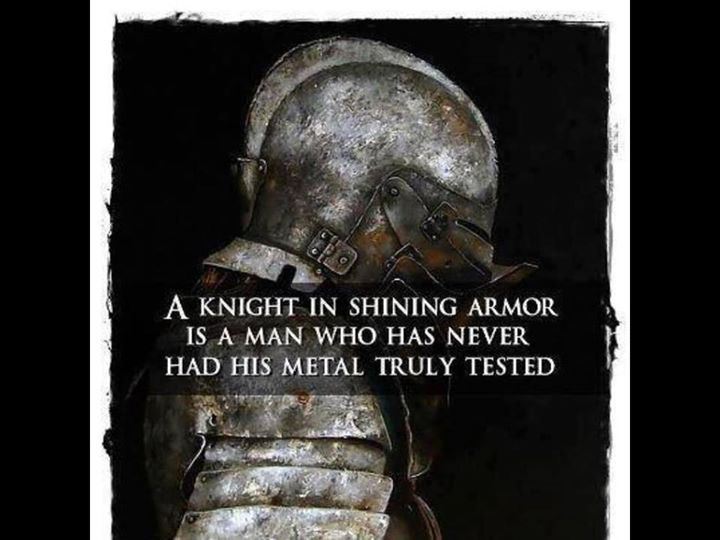
This may come as a shock, but the Church doesn’t need any more gifted people.

But it does need broken people who understand ‘the giftedness of the flawed.” When we conceal, we diminish the Church by our absence. We can ostracize ourselves, through a self imposed shame— but the Church will suffer. We need to show them that everyone can be healed, even screwy ‘fruit-cakes’ like us.

I recently had the privilege of speaking to a class of young Bible college students.

My subject was decidedly not on being successful, but on being a failure. Whole courses are geared toward ministerial success– but where are the ones for failure? I think that it just might be even more important, in the long run.

No human effort is going to erase your past.

I have tried and it can’t be done. I have blitzed my brains on drugs and booze, but I still remember the people I’ve hurt. (And I pray for them.) There really isn’t a cure for the evil we have done. I believe in forgiveness. And I hold to the idea that are sins are never to be a subject of  guilty accusation–

“He will again have compassion on us;
    he will tread our iniquities underfoot.
You will cast all our sins
    into the depths of the sea.”

Micah 7:19

Our dark iniquity is put in a very deep place. But there are the memories of an unkind word, or a sad and dark foolishness that we must learn to live with. There will be many regrets, and we face the terrible consequences of our sins, but it’s enough to know that all is under the blood of Jesus.

We are indeed forgiven. Completely.

We are now to live as forgiven sinners, yet precious in God’s eyes. We discover that although the Father has no favorites among His children, but He does have intimates. We are to live the rest of our lives for His glory, exploring that intimacy.

“Leave the broken, irreversible past in God’s hands, and step out into the invincible future with Him.”

  Oswald Chambers