

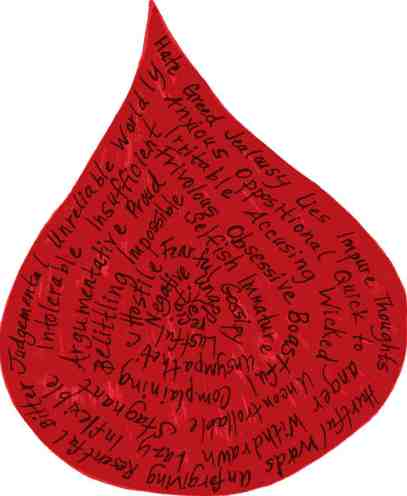
This evening I got tired of the TV. Or maybe tired of the control it emits over me. I picked up one of the many Bibles I have in my loft. I do think it is ‘funny/sinister’ of the real pressure it takes to open its pages. I have no doubt it is the darkness of my flesh and the wickedness of demons. Melodramatic? I think not.
But this is what I read and thought.
“Jesus climbed into a boat and went back across the lake to his own town. 2 Some people brought to him a paralyzed man on a mat. Seeing their faith, Jesus said to the paralyzed man,“Be encouraged, my child! Your sins are forgiven.”
Matthew 9:1-2, NLT
Jesus is mobile. He moves and goes where His Father goes. At this moment He is needed in Capernaum. He is to meet a small crowd– and a paralyzed man on a mat. Jesus travels, but this man can only be carried. So Jesus Christ the Son of God, comes to him.
The Lord’s eyes alertly move over these people. People are the reason He came. This crippled man has been waiting. Jesus looks, and all He sees is “faith.” And He knows that the Father has led Him here.
The Word says that He could see their faith. Funny. What does faith look like? It seems like that is the first thing He saw, and noted. I’m not sure about the man on the mat. Did he have faith? Or had it been ‘burned out of him’ by too many doctors, and too many ‘treatments’? It is good to surround yourself with others who will believe when you can’t.
Jesus finally spoke, and its worth noting His first utterance was to proclaim forgiveness. Not healing. Forgiveness! What did this man’s friends think? I see them feel tenative, and maybe a bit shocked about this. What evil did their friend commit? What had he hidden from them, the way we try to hide things from each other?
The healing is going to come. This man will stand. He will carry his mat and go home. (V. 6). But perhaps the paralysis wasn’t the main reason he was there.
Maybe, his biggest need was to be forgiven?
Man has two basic needs.
- One, to be forgiven of awful sin. Washed and cleansed. Forgivemess.
- Two, to become a good person. Kind and humble. Healing.
There will always be those looking on who will condemn and challenge what is taking place. For them, it has nothing at all to do with the hearts of people. That means nothing to them. Rather for these, it has to do with a rigid and lifeless religion– with its 613 laws, and tithing of dill and mint.
What do you really need? Forgiveness? Or something else? Psalm 103:3-4, are verses for the redeemed.
“He forgives all my sins
and heals all my diseases.
4 He redeems me from death
and crowns me with love and tender mercies.”
*
“God pardons like a mother, who kisses the offense into everlasting forgiveness.”
–Henry Ward Beecher

$
Related articles
- Bringing People To Jesus (jerrynwatts.wordpress.com)
- Jesus Our All (dailymannablog.wordpress.com)
- Radical Love – Part 1 (cubebites.wordpress.com)
 “The highest honor that God can confer upon his children is the blood-red crown of martyrdom. The jewels of a Christian are his afflictions. The regalia of the kings that God has made, are their troubles, their sorrows, and their griefs. Griefs exalt us, and troubles lift us.”
 When history speaks, do we listen?
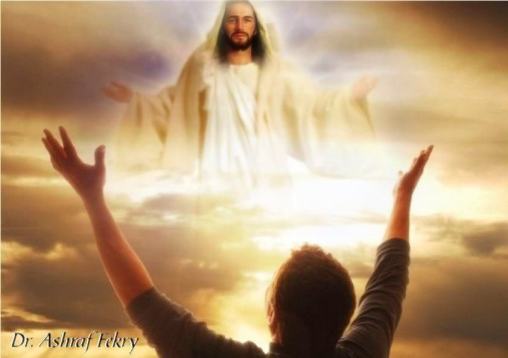 “I have taken much pains to know everything that is esteemed worth knowing amongst men; but with all my reading, nothing now remains to comfort me at the close of this life but this passage of St. Paul:
 Broken Believers