Tardive Dyskinesia (TD) is a condition of involuntary, repetitive movements of the jaw, tongue or other body movements. It frequently is a side effect of the long-term use of antipsychotic drugs used to treat schizophrenia or bipolar disorder. It is almost always permanent. I’ve been told Vitamin E might help a bit. Benzodiazepines have also been used with mixed results on a short-term basis.
Some examples of these types of involuntary movements include:
Grimacing
Tongue movements
Lip smacking
Lip puckering
Pursing of the lips
Excessive eye blinking
(Wikipedia)
I recently was diagnosed as having TD after the use of Zyprexa. My version is my lower jaw moves from side-to-side, unless I concentrate on not doing it. I quickly revert to this involuntary movement when I’m not aware of it. I recently saw a video of myself (with my family) and sure enough there I was, doing the ‘jaw thing.’ It was very obvious. It was also very embarrassing. (I have the ‘lithium jitters’— where my hands always shake, but TD is different.)
There are a couple of things I might mention:
1) I’ve discovered that there is a real social isolation with this TD stuff. To be doing this in public is “not acceptable.” I have had people come up to me wanting to know what’s my problem. Since I can’t control the movement I just say, “It’s my meds— they affect me this way.” In a way it’s like wearing a neon sign saying, “I’m a fruit cake.” Having a mental illness is stigma enough, but the TD just puts a new edge on it.
2) As a natural introvert the isolation has only deepened. (I avoid crowds and most social engagements.) I guess if the truth be told, I’m uncomfortable when others look at me strangely or whisper to each other. My standard ‘paranoia level’ has taken a new twist. I feel I’m compelled to explain. I guess I’m embarrassed when others are embarrassed.
3) I settle myself down in my faith to cope. I know I’m not alone in this– the Lord Jesus is always with me. He holds me tight through all these twists and turns. Since I isolate myself so much, I savor the connection I have with a few friends who have become inured to my condition. Social media helps out— Facebook is a big help, as well as my two blogs.
4) One of the things I try to remember are the issues of selfishness and pride. I keep reminding myself it’s not about me all the time. One of the significant areas mentally ill people deal with is self-absorbed thinking. It seems it comes with the illness.
5) I try to keep a sense of humor everyday. It breaks down the mental pain to tolerable levels. We can take ourselves too seriously sometimes. Be more patient with yourself. I know I have to.
I ask that you remember me in prayer from time-to-time. I’m in ‘uncharted waters’ (it seems) and I sometimes feel all alone with my mental illness and all its tangents. I want good to come out of this. (An instantaneous healing would be o.k. But, I’m not too finicky.) Sorry for so much.
If you can’t pray, don’t feel at all impinged upon.
“You are the light of the world. A city set on a hill cannot be hidden. 15 Nor do people light a lamp and put it under a basket, but on a stand, and it gives light to all in the house.”
Matthew 5:14-15, ESV
Overall, I think this Manning quote is a great observation. We, the torn and wounded, often try to hide, secluding ourselves in the “Island of Misfit Toys.” (Got to love those 60s Christmas cartoons.) We pretty much accept our lot as damaged merchandise.
Maybe we choose to isolate ourselves more than we want to admit. Could that be what we do? Are we still embarrassed and ashamed by all that we’ve done? That’s quite possible.
This may come as a shock, but the Church doesn’t need any more gifted people.
But it does need broken people who understand ‘the giftedness of the flawed.” When we conceal, we diminish the Church by our absence. We can ostracize ourselves, through a self imposed shame— but the Church will suffer. We need to show them that everyone can be healed, even screwy ‘fruit-cakes’ like us.
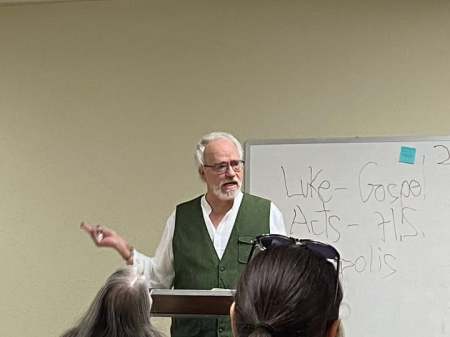
I recently had the privilege of speaking to a class of young Bible college students.
My subject was decidedly not on being successful, but on being a failure. Whole courses are geared toward ministerial success– but where are the ones for failure? I think that it just might be even more important, in the long run.
No human effort is going to erase your past.
I have tried and it can’t be done. I have blitzed my brains on drugs and booze, but I still remember the people I’ve hurt. (And I pray for them.) There really isn’t a cure for the evil we have done. I believe in forgiveness. And I hold to the idea that are sins are never to be a subject of guilty accusation–
“He will again have compassion on us; he will tread our iniquities underfoot. You will cast all our sins into the depths of the sea.”
Micah 7:19
Our dark iniquity is put in a very deep place. But there are the memories of an unkind word, or a sad and dark foolishness that we must learn to live with. There will be many regrets, and we face the terrible consequences of our sins, but it’s enough to know that all is under the blood of Jesus.
We are indeed forgiven. Completely.
We are now to live as forgiven sinners, yet precious in God’s eyes. We discover that although the Father has no favorites among His children, but He does have intimates. We are to live the rest of our lives for His glory, exploring that intimacy.
“Leave the broken, irreversible past in God’s hands, and step out into the invincible future with Him.”
A person who is paranoid has fears, such as being watched, harmed or poisoned. He or she does not trust others and is suspicious that others are “out to get” him or her. These seem very real.
It’s normal to wonder if people are talking about you when you hear them whispering as you walk into a room. These thoughts are usually passed off and not dwelled upon for most people. We give them little credence. Not a problem.
A person who is paranoid, however, does dwells upon suspicious thoughts. He or she goes out of their way to prove their suspicions even though no evidence exists to confirm their thoughts. It’s very hard to reason or speak what is real.
Paranoia is usually found in small degrees in almost every mental illness.
Symptoms
Use and/or withdrawal of certain drugs, such as marijuana, crack cocaine and angel dust (PCP)
Alcohol withdrawal
Deafness or problems with hearing
Illnesses that affect the central nervous system, such as Alzheimer’s disease or other dementias, a stroke, a brain tumor
Mental illnesses, such as bipolar disorder or schizophrenia
Paranoid personality disorder, (PPD)
How to Recognize Paranoia
A person with paranoia may also:
Appear cold and aloof
Be withdrawn and anxious in social situations
Act stubborn and combative
Appear “on guard” at all times, out of fear of being controlled or harmed
A paranoid person also:
Complains about his or her health and often feels vulnerable and inferior to others
Holds grudges easily
Displays bitterness and resentment toward others
May be easily drawn into religious cults or other groups with strict beliefs
Is quite susceptible to conspiracy theories, religious or political
Can have delusions of being persecuted
Treatment
Treatment for paranoia depends on its cause. If it is a symptom of another condition, treatment for the condition will often take care of or lessen the paranoia. Paranoid personality disorder is treated with counseling, support therapy and often with medication. Treatment for this disorder is not easy, though, due to the nature of paranoia. Persons who are paranoid often do not trust others including doctors, therapists or family members trying to help them get treatment. It is likely that you will need to intervene, patiently and gently.
Ministering to the paranoid treatment requires a huge commitment. Typically you’ll see lots of anger as they confront others of mistreating them.
What You Can Do for a Friend or Relative
The most important thing you can do is to encourage your friend or relative to get professional help. Be aware that you may need to make the initial appointment with a professional. You may also need to take them to the appointment and stay with them. Be supportive. Paranoia requires patience, understanding, love and encouragement of the person’s loved ones and friends.
Those close relationships are typically what frees a person who struggles.
Be aware of the types of medication your friend or relative takes and when they should take it. You should also alert their physician or psychiatrist to any side effects that you notice when they do or do not take their medication.
If I may, I would suggest a movie for you, “A Beautiful Mind.” This may give you a little insight.
Do you know someone who seems like he or she has “lost touch” with reality? Does this person talk about “hearing voices” no one else can? Does he or she see or feel things that others can’t? Does this person believe things that aren’t true?
Sometimes people with these symptoms have schizophrenia, a serious illness.
What is schizophrenia?
Schizophrenia is a serious brain illness. Many people with schizophrenia are disabled by their symptoms.
People with schizophrenia may hear voices other people don’t hear. They may think other people are trying to hurt them–we call this paranoia. Sometimes they don’t make any sense when they talk. The disorder makes it hard for them to keep a job or take care of themselves.
Who gets schizophrenia?
Anyone can develop schizophrenia. It affects men and women equally in all ethnic groups. Teens can also develop schizophrenia. In rare cases, children have the illness too.
When does it start?
Symptoms of schizophrenia usually start between ages 16 and 30. Men often develop symptoms at a younger age than women. People usually do not get schizophrenia after age 45.
What causes schizophrenia?
Several factors may contribute to schizophrenia, including:
Genes, because the illness runs in families
The environment, such as viruses and nutrition problems before birth
Different brain structure and brain chemistry.
Scientists have learned a lot about schizophrenia. They are identifying genes and parts of the brain that may play a role in the illness. Some experts think the illness begins before birth but doesn’t show up until years later. With more study, researchers may be able to predict who will develop schizophrenia.
What are the symptoms of schizophrenia?
Schizophrenia symptoms range from mild to severe. There are three main types of symptoms.
Positive symptoms refer to a distortion of a person’s normal thinking and functioning.
They are “psychotic” behaviors. People with these symptoms are sometimes unable to tell what’s real from what is imagined. Positive symptoms include:
Hallucinations: when a person sees, hears, smells, or feels things that no one else can. “Hearing voices” is common for people with schizophrenia. People who hear voices may hear them for a long time before family or friends notice a problem.
Delusions: when a person believes things that are not true. For example, a person may believe that people on the radio and television are talking directly to him or her. Sometimes people believe that they are in danger-that other people are trying to hurt them.
Thought disorders: ways of thinking that are not usual or helpful. People with thought disorders may have trouble organizing their thoughts. Sometimes a person will stop talking in the middle of a thought. And some people make up words that have no meaning.
Movement disorders: may appear as agitated body movements. A person with a movement disorder may repeat certain motions over and over. In the other extreme, a person may stop moving or talking for a while, a rare condition called “catatonia.”
Negative symptoms refer to difficulty showing emotions or functioning normally.
When a person with schizophrenia has negative symptoms, it may look like depression. People with negative symptoms may:
Talk in a dull voice
Show no facial expression, like a smile or frown
Have trouble having fun
Have trouble planning and sticking with an activity, like grocery shopping
Talk very little to other people, even when they need to.
Cognitive symptoms are not easy to see, but they can make it hard for people to have a job or take care of themselves.
Cognitive symptoms include:
Trouble using information to make decisions
Problems using information immediately after learning it
Trouble paying attention.
Helpful Links for Further Thought
The Mayo Clinic:Good, solid and trustworthy, a great introduction.