Dangerous Thinking

mind

Anne Lamott is a writer and a person who understands mental illness and ‘recovery’ issues.

She is also a ‘brokenbeliever’. I have read several of her books; she writes elegantly on faith and discipleship. She is a rare jewel. She writes carefully and creatively.

Coming across this quote was fortuitous for me, to say the least. This quotation effectively captures a somewhat dangerous mind that prevails among mentally ill people. We should come to the realization that our thinking needs to be ‘supervised.’ I must concur.

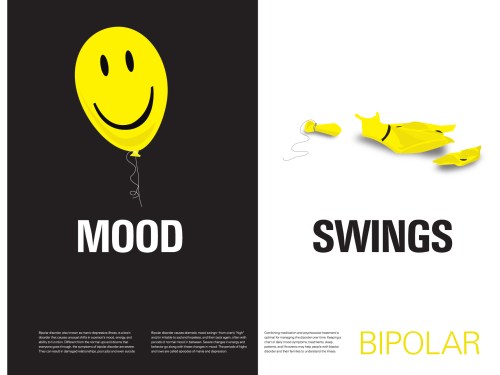
I can be patently ‘unsafe’. My thinking will often get distorted. I can get pretty strange at times. The ‘nice people’ who know me first-hand call me ‘eccentric.’ The ‘mean people’ outright ostracize me. Delusions blow through me periodically, with the occasional flare up episode of paranoia. The doctors call this Bipolar disorder.

Like Anne Lamott, I am a Christian believer. But my mind twists things up so much, I must regard it as an enemy. It can be capable of good; but dark things grow there as well. I have given up hope of ever navigating it alone safely. I simply cannot trust it. Mine can be capricious, untrustworthy, and unreliable. I know what it is like to be afraid of your own mind.

“Who is this coming up from the wilderness
    leaning on her beloved?”

Song of Solomon 8:5, NIV

However, if I venture into this steaming fetid jungle, with the Holy Spirit firmly in charge, we can navigate through safely. (But I dare not venture in alone, as things can get ‘scary.’) The Spirit is completely trustworthy and He is always faithful. No matter what I discover, I really try to let Him tell me if the ‘coast is clear.’ Together, we have seen some crazy crap, but He never ever ‘freaks out’ and leaves me alone.

“But when he, the Spirit of truth, comes, he will guide you into all the truth. He will not speak on his own; he will speak only what he hears, and he will tell you what is yet to come.”

John 16:13

Dear afflicted one, don’t venture in alone. Look only to Him. He is ready (up on tip-toes!) to be your guide. You don’t have to muscle through the ‘jungle’ all by yourself. Remember that there are others who can help: a spouse, a pastor, or anyone who understands what you’re up against. Only you can know what your mind is doing, but others can help you.

When you find yourself lost in your wilderness, “lean on your beloved.”

bry-signat-1

cropped-christiangraffiti1 (2)


P.S. Anne Lamott has some very readable books out there. Check her out.

 

Listening to the Disturbed

There is a tremendous need to listen to those suffering with mental illness.

Listening takes patience.

I believe it is a rule written somewhere, that self-centered people are simply not prepared to reach hurting people.  You might say they don’t have the capability to become a good listener. One thing is certain,  listening will change you.  The more you do it, the better (and wiser) person you will become.

Listening to the disturbed takes work. You can become that catalyst for healing and wholeness. But you have to set aside your own agenda to do this.

Typically the mentally ill are intense communicators. Sometimes they can be delusional and seem incoherent. But your patience will pay off. Trust the Holy Spirit to strengthen you.

“Spouting off before listening to the facts is both shameful and foolish.”

Proverbs 18:13

A Good Listener:

1. listens with spiritual ears open, hearing and understanding the spirit beneath the words;

2. listens with the heart and mind still and th e mouth shut;

3. listens with no personal agenda;

4. listens with compassionate spiritual eyes, maintaining involved eye contact;

5. listens with a compassionate heart;

6. listens with a committed heart;

7. listens with attentiveness;

8. listens without judgment;

9. listens without fear;

10. listens with faith, knowing that the Spirit of God is at work to will and do according to His good purpose;

11. waits patiently, quietly and prayerfully through times of silence, making room for the unfolding of things previously too deep and too painful to even know or express;

12. counts it a privilege to witness a soul in the process of transformation, even when it doesn’t look like it;

13. offers to explore options wisely;

14. offers to pray when the time of tears and sharing ends;

15. consoles with words of comfort and confidence in the faithfulness of God, which is usually all anyone needs to hear;

16. waits to give advice until asked;

17. offers a hug;

18. recognizes that these are holy moments of eternal consequence;

19. keeps all holy moments completely confidential.

20. doesn’t try to take the place of the Holy Spirit.

“Understand this, my dear brothers and sisters: You must all be quick to listen, slow to speak, and slow to get angry.”

James 1:19

flourish2

I have no clue where this list came from. But it is quite good and very thorough. I exhort you to really listen close to those with a disability. Forget about WWJD. Try HWJL.

(How Would Jesus Listen?)

bry-signat-1

cropped-christiangraffiti1 (2)


*

When You’re Out of Control (A Reblog from 2013)

Originally written August 29, 2013 and shared today hoping it will bless someone.


“I’m must show myself; things are not going well, to be honest.  I’m becoming more and more fragmented.  And I can’t seem to hold it together.  Essentially, I mentally can’t keep it centered on the things I know are right and appropriate. My mind is in a muddle, and my heart is not far behind.

I can’t go on like this.  I have to confess that I’m spinning out of control.  There are too many issues that hammer me, without any resolution or finality.  I need a “booster shot” of grace. (Perhaps, maybe an I.V. would be better.)

All I want is to escape, and to shake off these ‘parasites’ that sap me of any strength I might generate.  Far too many things are draining me of any vitality and hope.  Despair and despondency have suddenly shown up at my door, but I treat them as unwelcomed visitors, and hope they will leave me alone.  All they want to do is take me apart, and dismantle me, and I seldom advance beyond this. I haven’t invited them.

This simple blog has kept me going.  The posts that I write are sincere, and I know for a fact they touch many hearts.  I’m astonishingly grateful for this.  But they can’t minimize my own issues.  I am constantly on the edge, a step one way or another could push into a desperate fall. (Funny, I’m starting to scare myself.)

I have a deep confidence in Jesus.  I believe that he loves me in the most intense way possible.  I trust in his deliberate and careful love.  Resting in his arms is the very best thing I could do.  He is the only one who can lead me through my mental illness.  Or to give me the grace to move above it.

I do not want to offend or alienate anyone.  That simply is not what I am about.  But I simply can not try to take Brokenbelievers much further in this ‘frame of mind.’  I will try to post as often as I can– but both my therapist and psychiatrist want me to go into a hospital.  I have already been there several times and I do not want to be admitted any time soon.

The next several days should be interesting.  I’m definitely committed to avoiding hospitalization.  The “professionals” I trust are trying to commit me, but I do intend to make a scrap of it.  “I will not go lightly.”

Please try to be patient with me.  I want to post, it runs through my veins.  But I simply don’ t  have the resources that extend into transparency and clarity.  Please forgive me. There’s is no way I can make this work without avoiding a “shutdown.” We will see.

***

kyrie elesion, Bryan

(Lord, have mercy on us.)

cropped-christiangraffiti1 (2)

Bipolar Disorder– Basic Stuff


If you have bipolar disorder, you may recognize many below. Not everyone has exactly the same symptoms. Talk with your healthcare provider about your symptoms at each visit.

  • Feeling sad or blue, or “down in the dumps”
  • Loss of interest in things you used to enjoy, including sex
  • Feeling worthless, hopeless, or guilty
  • Sleeping too little or too much
  • Changes in weight or appetite
  • Feeling tired or having little or no energy
  • Feeling restless
  • Problems concentrating or making decisions
  • Thoughts of death or suicide


Symptoms of mania may include:

  • Increased energy level
  • Less need for sleep
  • Racing thoughts or mind jumps around
  • Easily distracted
  • More talkative than usual or feeling pressure to keep talking
  • More self-confident than usual
  • Focused on getting things done, but often completing little
  • Risky or unusual activities to the extreme, even if it’s likely bad things will happen

Here are some behaviors that may be seen in people with bipolar disorder. Please note some of these behaviors may also indicate a different problem, so proper diagnosis is important.

  • Agitation
  • Alcohol or drug abuse
  • Irritability
  • Excessive gambling
  • Violence
  • Poor judgment with decisions
  • Careless spending, buying sprees
  • Talking about hurting oneself
  • Risky sex or change in sexual activity
  • Impulsive financial investments
  • More arguments
  • Change in energy level, appetite, or sleep pattern
  • Relationship problems at home or work
  • Mounting debt
  • Drinking or drugging for ‘escape’ or maintenance purposes
  • Legal/criminal issues
Visit http://www.webmd.com/depression/guide/bipolar-disorder-manic-depression for more detailed information about bipolar disorder and its symptoms.

bry-signat-1

cropped-christiangraffiti1 (2)