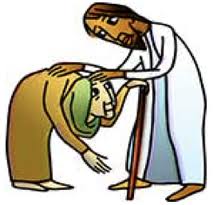
How do you handle pain as a believer? What do you do when you want to curl up in a ball and want to die? Understand that pain isn’t in God’s original plan. We who are hurt have got to be very much aware of this.
There are many different kinds of pain: post-surgical, chronic, and self-inflicted. The pain of separation or divorce or misguided children can get pretty destructive. There’s the pain of misunderstanding or something inflicted by a bad relationship with someone.
There are far too many possibilities and far too much hurt to go around.
At times you can’t even imagine how you’re going to handle another day. Sometimes the doctors have the arrogance to tell you that you need to get used to it because it’s never going to get better. So now you must sort things out–and apart from a miracle, it’s only going to get worse. I understand this. Truly.
Here are ten thoughts that come to my mind. They’re not in any order. (Maybe they should be? IDK.)
One
Treat false humility as a worse disease than you’re facing physically. You’ll be very tempted to milk your pain for all its worth. You’ll try to take advantage of others, and you’ll put yourself in the best possible light. But pain and ego were never meant to mix–especially as a disciple of Jesus. Renounce them now. Turn from it constantly.
Two
Never find fault with God. He’s not to blame whatever the evil one tells you. Our Father loves you deeply, and He will carry you all the way through this. Satan always tells lies. You must take a stand against him. Put on your armor! Super-glue Ephesians 6:19-18 into your thought life–and never let go!
Three
You can never lose track of a very real eternity. My special verse is Revelation 21:4, “And God shall wipe away all tears from their eyes; and there shall be no more death, neither sorrow, nor crying, neither shall there be any more pain: for the former things are passed away.” Please keep this front and center. It’ll help a lot!
Four
You’ll start to learn to see others differently. There’ll always be another who has it worse. Think about them, and all that they must deal with. It helps a lot. Also, you’ll discover that your pain will be like new glasses for a strange source of spiritual astigmatism. You’ll see things far more clearly now.
Five
Your walk will deepen. You’ll learn to be joyful when all you want to do is cry. The littlest things become a cause of great joy. God values your singing more now, especially when you’re singing out of excruciating pain. The Word, and worship music, all seem to be more meaningful. Surround yourself with music (and preaching too), anything that builds you up inside.
Six
You’ll discover the art of weaving your pain into your discipleship. Sleepless nights become diving boards for prayer, reading, and worship. You’ll change and deepen, and that’s always good. Also, be open to new ways of ministry. Look for doors to open up. (They may be different than you think.)
Seven
You’ll discover that there can be solace in medications and treatment. I know that this, but sometimes a handful of Motrin or other pain meds will be a real relief. Also, listen closely to your doctor and therapist. Pray for them, pray they’ll have special wisdom for your situation.
Eight
You start to see that you’ll never be able to do this alone. God is giving you a gift. He will give you insight. You’ll also start to see people less in terms of ‘rank’ and more in the light of what they’ve had to suffer. As you begin to see pain and sorrow as odd friends, they’ll often show you who your true brothers and sisters are.
Nine
You’ll understand the Father’s love in a new way. Like an old-style pharmacist who measured out powder instead of pills, we find God measures out exactly what we need. He never gives you a single grain of medicine more than is necessary. Trust him. All that happens to you has come through nail-pierced hands. He understands pain and He understands you.
Ten
You must learn to laugh again. Little things become a source of real joy. The smallest things will make you laugh. Get a joke book, that may help, especially when you get sour and withdrawn. “A cheerful disposition is good for your health; gloom and doom will leave you bone-tired” (Pro. 17:22, MSG).
(This list is not complete. I apologize, there are many others that really should be added, but maybe this is a start.)
Also–just one more (number 11 maybe?) Be easy on yourself. You’ll find that you’ve much to learn. And that’s okay. Just open up your heart, and look to Jesus.
We must be aware that our pain allows us access to His careful grace. Our trials, properly received, endow us with special abilities.
They’re now our new ‘superpowers.’ 😁
You should learn to embrace your pain and your sorrows, and not many can do this. Our own suffering comes to us at too high of a cost to us. They’re precious and way too valuable to neglect. Squeeze them and extract all that they can give.
Here’s a quote that has always sustained me. It’s really good for me to remember, and it may help you.
“Some Christians are called to endure a disproportionate amount of suffering. Such Christians are a spectacle of grace to the church, like flaming bushes unconsumed, and cause us to ask, like Moses: Why is this bush not burned up?'”
–John Newton


A good site is Joni Eareckson Tada. She’s a believer who has suffered a great deal and has a ministry to the afflicted, Joniandfriends.org.
I have another site you might want to checkout: alaskabibleteacher.com.