
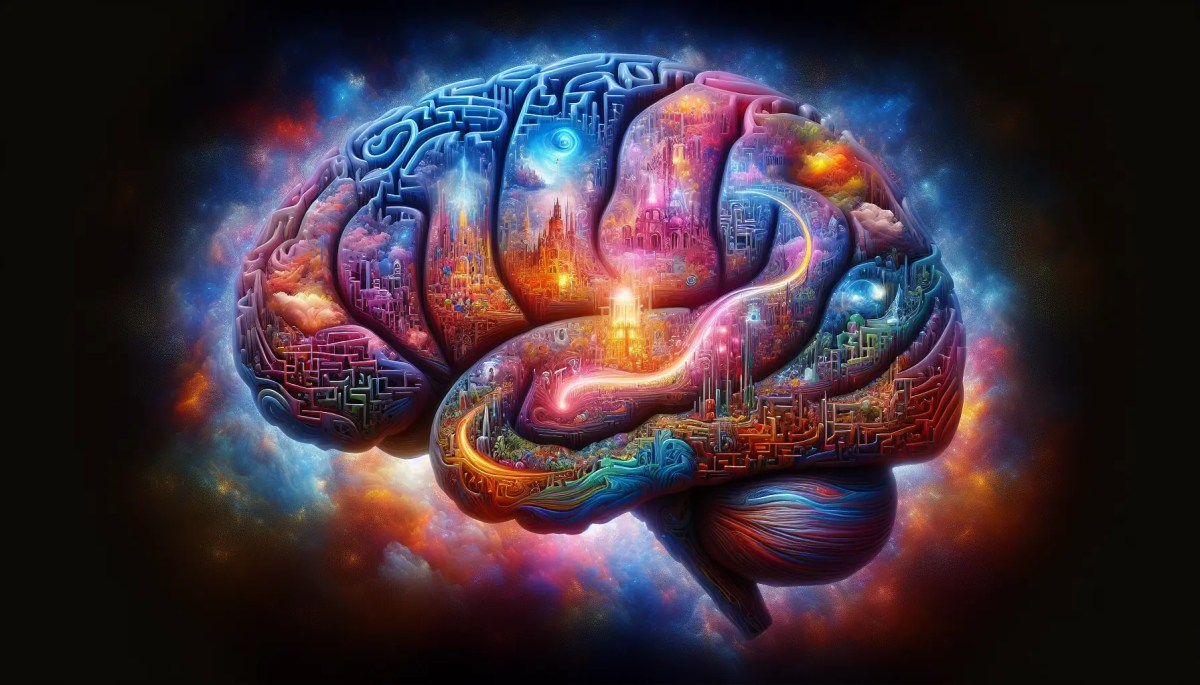
Delusions of the First Person Variety

I need to briefly share what delusions are like.  I’m going to flip the switch and flood the room with light, and watch the “critters” scuttle to find a hiding place. 
I’m doing this to help heal myself, and for you to understand this awful state of mind.
First of all, let’s define things. 

Delusion n.
A false belief held despite strong evidence against it; self-deception. Delusions are common in some forms of psychosis. 

Delusion de·lu·sion n.
A false belief strongly held in spite of invalidating evidence, especially as a symptom of mental illness.

Typically, my delusions have a common core of pride or self-centered thinking. For instance, I have experienced all of these to a degree:

  1. A woman loves me and she is secretly trying to be with me. This is very flattering and egocentric.  This  one can really mess with your thought-life. (Ego.)
  2. I’m the center of the universe, people really do not exist, except when they come into my life or influence.  [This one is a bit metaphysical.] See #7.
  3. I have special powers that ‘know” a person’s motives, plans and heart.  I am hyper-discerning.  The opposite can be true at times, where I become exposed to people, which necessitates me never leaving my room. I feel “naked” and of course, very uncomfortable.
  4. I get paranoid, thinking people are plotting with each other behind my back, working to destroy me.  Chat rooms, and Facebook are focal points for me with this one, but not always.  With this one I get really verbal, and I start zapping people.  I guess because it’s the internet I can do this with impunity.
  5. Clocks are always at the top of the hour, like- 7:00 am.  Or they are at the bottom of the hour, like 11:30 pm.  I call this “chronosynchronism.” I believe this is evidence that my life is orchestrated, purposeful, and this is evidence I am very significant.  This is my latest.  And it really isn’t super disruptive.
  6. I can read secret messages in books meant for me.  I also line up spaces in what I’m reading to form an unbroken line.  I compulsively do this.
  7. The big one is this, I am in my form of “The Truman Show”.  The universe is just a set and I am the only living thing out there.  Everything is focused on me (of course).
  8. I hear voices sometimes, but mostly a radio or sometimes the “dot-dash-dot” of a telegraph.  I think its trying to warn me in some code.  It can be persistent. And it can be disruptive. Paranoid because my giftedness is the primary reason for the NSA to control me.
  9. My wife intends to poison me.
  10. Personal hygiene issues. Afraid of being murdered in the shower creates a super-phobia. I once went 6 weeks without showering. (I made my own eyes ‘water’, lol).
I guess all of these have one thing in common. 

They are self-centered.  They are unreasonable and illogical.  They are compulsive. And yes, meds do work.  And the above list?  The delusions are only mild-to-moderate issues of delusional paranoia.  There are so many Christians and non-Christians who have worse. I once met a man who seriously believed he was Jesus. (And no, I didn’t worship him).

As a believer working out his discipleship, I’ve discovered that humility and openness is always the way of keeping one tethered to reality.  However, I have a fear that I will break loose and never come out again.  I MUST live in “brokenness”.  (So in a strange way, following Jesus Christ is easier.)

Also, I must be open to things that will invalidate my delusion.  Even if I’m 99% convinced, that 1% will cause me to consider thinking through a scenario.  Truth is your best friend when you are challenging a delusional paranoid.  But it has to be gently applied. Life doesn’t have be lived this way. Also, delusions will often ‘morph’ and change and take on modified characteristics. This seems to be part of the mental illness, but can also indicate demonic oppression (or both even).

A psychiatrist should be informed in most cases. Very often meds will be necessary to get you through this time, but not always. But sometimes.

Praying for delusional behavior

People have prayed for me, more then I have prayed for myself.  Your intercession bridges a gap over this illness.  When you pray, you power up the energy cells and get instructions.  It may mean wait, or proceed.  Every person and situation is different.

“Do not believe that he who seeks to comfort you lives untroubled among the simple and quiet words that sometimes do you good. His life has much difficulty and remains far behind yours. Were it not otherwise he would never been able to find these words.”
Rainer Maria Rilke
Prayer is always the best approach.

So many delusions and so little time. They will vary from person-to-person. An active prayer may help, “Lord, may it be the real me who touches the real You.” Remember, Jesus stands at the right hand of his Father praying for you [which can’t be all bad].

 
 “Who is to condemn? Christ Jesus is the one who died—more than that, who was raised—who is at the right hand of God, who indeed is interceding for us.”

Romans 8:34

bry-signat (1)

The Torment of Depression

Depression runs rampant through our society. It seems like it’s the “common cold” of mental illness.

Depression is often a progressive and debilitating disorder.

It is like having a ‘bruised brain’ that refuses to heal. There is an substantial list of psychological disorders. Technically depression is a mood disorder that has a series of symptoms. These symptoms are the evidence that something is definitely wrong.

Depressed mood (such as feelings of sadness or emptiness).

Reduced interest in activities that used to be enjoyed.

Change in appetite or weight increase/decrease.

Sleep disturbances (either not being able to sleep well or sleeping too much).

Feeling agitated or slowed down.

Fatigue or loss of energy. Feeling exhausted, even when you wake up.

Feeling worthless or excessive guilt.

Difficulty thinking, concentrating or troubles making decisions.

Suicidal thoughts or intentions.

http://www.nami.org/

The above list is a summary of something called the DSM-IV which doctors use to diagnose the mental disorder of depression. Spinning off this, you will discover some other disorders, like:

Generalized anxiety disorder (GAD)

Panic disorder, panic attacks

Social withdrawal, isolating from others

Depersonalization/derealization

OCD (obsessive compulsive disorder)

Psychosis and paranoia, hallucinations

PTSD (post traumatic stress syndrome)

Specific Phobias (fears of something)

SAD (social anxiety disorder)

Schizophrenia, or, schizoaffective disorder

Eating disorders (bulimia, anorexia)

Even though mental illness is widespread in the population, the main burden of illness is concentrated in a much smaller proportion-about 6 percent, or 1 in 17 Americans-who live with a serious mental illness. The National Institute of Mental Health reports that one in four adults–approximately 57.7 million Americans–experience a mental health disorder in a given year.

Unfortunately, there is a great deal of misunderstanding and stigma for those who have these disorders. I suppose people often compare it to having VD (venereal disease) or AIDS. It seems that our culture is pretty quick at labeling people as deviant or undesirable.

I hope this helps somehow. I can see a 100 holes in it, and alas, it is a meager attempt. But perhaps it will be of some value. Both NAMI.org, Psychcentral.com, and WebMD.com all have excellent info on Mental Illness.

Are There Benefits to Being Bipolar?

Bipolar people can be really different.

Originally Published on July 20, 2010 in “Psychology Today”

Let me start by acknowledging what is well known: Manic Depression or Bipolar disorder can be a devastating illness. Affecting at least 1% of the population, it can, untreated, result in suicide, ruined careers and devastated families. Bipolar disorder is often accompanied by alcohol and drug abuse and addiction, criminal and even violent behavior. I acknowledge this because I do not want to make light of the burden this illness places on people’s lives, families, and communities.

On the other hand, the history of the world has been influenced very significantly by people with manic depression (see website www.wholepsychiatry.com for details). They include:

“It seems clear that for at least some people with Bipolar disorder, there is an increased sense of spirituality, creativity, and accomplishment. It may be that having bipolar disorder holds great potential, if one is able to master or effectively channel the energies, which are periodically available, to some higher task. This would of course presume the ability to abstain from harmful drugs and alcohol, to have good character, and at least some supportive relationships and community networks.”

Y
It might be helpful to consider a reconceptualization. Perhaps instead of it being a disorder, we can think of people with bipolarity as having access to unusual potency. This potency will find a way to be outstanding-either in a destructive way, or in a constructive way. If such a choice is presented to the person, perhaps it can open some doors.
——————————————–
 

“And we know that God causes everything to work together for the good of those who love God and are called according to his purpose for them”

Romans 8:28

Source of this article: Psychology Today 

Bryan’s note: A great book, a favorite of mine, that works a lot of this out is Exuberance: The Passion for Life,” by Kay Redfield Jamison.


Mental Illness in Children & Teens

Does your child go through intense mood changes?

Does your child have extreme behavior changes too? Does your child get too excited or silly sometimes? Do you notice he or she is very sad at other times? Do these changes affect how your child acts at school or at home?

Some children and teens with these symptoms may have bipolar disorder, a serious mental illness. Read on to understand more.

What is bipolar disorder?

Bipolar disorder is a serious brain illness. It is also called manic-depressive illness. Children with bipolar disorder go through unusual mood changes. Sometimes they feel very happy or “up,” and are much more active than usual. This is called mania. And sometimes children with bipolar disorder feel very sad and “down,” and are much less active than usual. This is called depression.

Bipolar disorder is not the same as the normal ups and downs every kid goes through. Bipolar symptoms are more powerful than that. The illness can make it hard for a child to do well in school or get along with friends and family members. The illness can also be dangerous. Some young people with bipolar disorder try to hurt themselves or attempt suicide.

Children and teens with bipolar disorder should get treatment. With help, they can manage their symptoms and lead successful lives.

Who develops bipolar disorder?

Anyone can develop bipolar disorder, including children and teens. However, most people with bipolar disorder develop it in their late teen or early adult years. The illness usually lasts a lifetime.

How is bipolar disorder different in children and teens than it is in adults?

When children develop the illness, it is called early-onset bipolar disorder. This type can be more severe than bipolar disorder in older teens and adults. Also, young people with bipolar disorder may have symptoms more often and switch moods more frequently than adults with the illness.

What causes bipolar disorder?

Several factors may contribute to bipolar disorder, including:

  • Genes, because the illness runs in families. Children with a parent or sibling with bipolar disorder are more likely to get the illness than other children.
  • Abnormal brain structure and brain function.
  • Anxiety disorders. Children with anxiety disorders are more likely to develop bipolar disorder.

The causes of bipolar disorder aren’t always clear. Scientists are studying it to find out more about possible causes and risk factors. This research may help doctors predict whether a person will get bipolar disorder. One day, it may also help doctors prevent the illness in some people.

What are the symptoms of bipolar disorder?

Bipolar mood changes are called “mood episodes.” Your child may have manic episodes, depressive episodes, or “mixed” episodes. A mixed episode has both manic and depressive symptoms. Children and teens with bipolar disorder may have more mixed episodes than adults with the illness.

Mood episodes last a week or two—sometimes longer. During an episode, the symptoms last every day for most of the day.

Mood episodes are intense. The feelings are strong and happen along with extreme changes in behavior and energy levels.

Children and teens having a manic episode may:

  • Feel very happy or act silly in a way that’s unusual
  • Have a very short temper
  • Talk really fast about a lot of different things
  • Have trouble sleeping but not feel tired
  • Have trouble staying focused
  • Talk and think about sex more often
  • Do risky things.

Children and teens having a depressive episode may:

  • Feel very sad
  • Complain about pain a lot, like stomachaches and headaches
  • Sleep too little or too much
  • Feel guilty and worthless
  • Eat too little or too much
  • Have little energy and no interest in fun activities
  • Think about death or suicide.

Do children and teens with bipolar disorder have other problems?

Bipolar disorder in young people can co-exist with several problems.

  • Substance abuse. Both adults and kids with bipolar disorder are at risk of drinking or taking drugs.
  • Attention deficit/hyperactivity disorder, or ADHD. Children with bipolar disorder and ADHD may have trouble staying focused.
  • Anxiety disorders, like separation anxiety. Children with both types of disorders may need to go to the hospital more often than other people with bipolar disorder.
  • Other mental illnesses, like depression. Some mental illnesses cause symptoms that look like bipolar disorder. Tell a doctor about any manic or depressive symptoms your child has had.

Sometimes behavior problems go along with mood episodes. Young people may take a lot of risks, like drive too fast or spend too much money. Some young people with bipolar disorder think about suicide. Watch out for any sign of suicidal thinking. Take these signs seriously and call your child’s doctor.

How is bipolar disorder diagnosed?

An experienced doctor will carefully examine your child. There are no blood tests or brain scans that can diagnose bipolar disorder. Instead, the doctor will ask questions about your child’s mood and sleeping patterns. The doctor will also ask about your child’s energy and behavior. Sometimes doctors need to know about medical problems in your family, such as depression or alcoholism. The doctor may use tests to see if an illness other than bipolar disorder is causing your child’s symptoms.

How is bipolar disorder treated?

Right now, there is no cure for bipolar disorder. Doctors often treat children who have the illness in a similar way they treat adults. Treatment can help control symptoms. Treatment works best when it is ongoing, instead of on and off.

1. Medication. Different types of medication can help. Children respond to medications in different ways, so the type of medication depends on the child. Some children may need more than one type of medication because their symptoms are so complex. Sometimes they need to try different types of medicine to see which are best for them.

Children should take the fewest number and smallest amounts of medications as possible to help their symptoms. A good way to remember this is “start low, go slow”. Always tell your child’s doctor about any problems with side effects. Do not stop giving your child medication without a doctor’s help. Stopping medication suddenly can be dangerous, and it can make bipolar symptoms worse.

2. Therapy. Different kinds of psychotherapy, or “talk” therapy, can help children with bipolar disorder. Therapy can help children change their behavior and manage their routines. It can also help young people get along better with family and friends. Sometimes therapy includes family members.

What can children and teens expect from treatment?

With treatment, children and teens with bipolar disorder can get better over time. It helps when doctors, parents, and young people work together.

Sometimes a child’s bipolar disorder changes. When this happens, treatment needs to change too. For example, your child may need to try a different medication. The doctor may also recommend other treatment changes. Symptoms may come back after a while, and more adjustments may be needed. Treatment can take time, but sticking with it helps many children and teens have fewer bipolar symptoms.

You can help treatment be more effective. Try keeping a chart of your child’s moods, behaviors, and sleep patterns. This is called a “daily life chart” or “mood chart.” It can help you and your child understand and track the illness. A chart can also help the doctor see whether treatment is working.

How can I help my child or teen?

Help your child or teen get the right diagnosis and treatment. If you think he or she may have bipolar disorder, make an appointment with your family doctor to talk about the symptoms you notice.

If your child has bipolar disorder, here are some basic things you can do:

  • Be patient
  • Encourage your child to talk, and listen to him or her carefully
  • Be understanding about mood episodes
  • Help your child have fun
  • Help your child understand that treatment can help him or her get better.

How does bipolar disorder affect parents and family?

Taking care of a child or teenager with bipolar disorder can be stressful for you too. You have to cope with the mood swings and other problems, such as short tempers and risky activities. This can challenge any parent. Sometimes the stress can strain your relationships with other people, and you may miss work or lose free time.

If you are taking care of a child with bipolar disorder, take care of yourself too. If you keep your stress level down you will do a better job. It might help your child get better too.

Where do I go for help?

If you’re not sure where to get help, call your family doctor. You can also check the phone book for mental health professionals. Hospital doctors can help in an emergency.

I know a child or teen who is in crisis. What do I do?

If you’re thinking about hurting yourself, or if you know someone who might, get help quickly.

  • Do not leave the person alone
  • Call your doctor
  • Call 911 or go to the emergency room
  • Call a toll-free suicide hotline: 1-800-273-TALK (8255) for the National Suicide Prevention Lifeline.

Contact NIMH to find out more about bipolar disorder.

National Institute of Mental Health
Science Writing, Press & Dissemination Branch
6001 Executive Boulevard
Room 8184, MSC 9663
Bethesda, MD 20892-9663

Phone: 301-443-4513 or
Toll-free: 1-866-615-NIMH (6464)
TTY Toll-free: 1-866-415-8051
Fax: 301-443-4279
E-mail: nimhinfo@nih.gov
Web site: www.nimh.nih.gov

cropped-christiangraffiti1.jpg
